
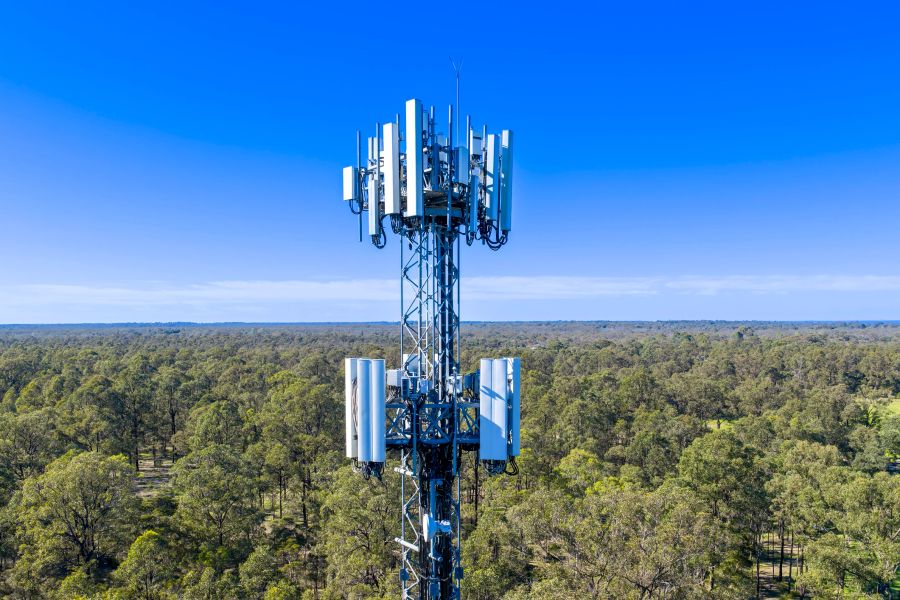
Telstra and Optus Are Using AI to Build Smarter Networks
Telstra and Optus are using AI to predict outages and optimise 5G coverage, including in regional Australia. Here's how smarter networks benefit Australians.
The next time your phone seamlessly hands off from one tower to another, or your internet connection holds steady during a storm, there is a good chance AI had something to do with it. Australia's two largest telecommunications companies — Telstra and Optus — are deploying artificial intelligence across their networks at scale, and the benefits are showing up in the reliability and performance that Australians experience every day.
Telstra's AI Network Management
Telstra has been investing in AI-driven network management for several years. The company uses AI systems to continuously analyse data from across its 4G and 5G infrastructure — monitoring tower performance, spectrum utilisation, and traffic loads — to predict and prevent problems before they affect customers.
Telstra has publicly stated that AI-driven predictive maintenance has contributed to improvements in network reliability. For a company serving millions of customers across Australia, even incremental improvements in uptime translate into meaningfully better experiences at scale — fewer dropped calls, fewer outages, and faster resolution when issues do occur.
5G Optimisation
AI is also playing a central role in Telstra's 5G rollout, helping optimise antenna configurations and adjust coverage dynamically as usage patterns shift throughout the day. A 5G network that can adapt in real time to where demand is concentrated — a stadium during a major event, a CBD during business hours, a residential area in the evening — delivers a better experience than one configured for average conditions.
Optus and AI-Driven Customer Experience
Optus has invested in AI systems that monitor network performance and proactively identify when customers are likely to experience a problem. The company is also using AI to improve network planning — analysing real-time usage data and infrastructure costs to identify where investment will deliver the greatest return for customers.
Optus has also deployed AI in its customer service operations, using natural language processing to route enquiries more accurately and resolve common issues faster. The goal is to reduce the time customers spend waiting for help and increase the proportion of issues resolved on first contact.
What This Means for Australians
For most Australians, the practical benefits are experienced rather than seen: fewer dropped calls, faster downloads, and connections that hold up during major events or severe weather.
Regional and rural Australians stand to gain from more targeted coverage improvements as AI helps telcos identify and prioritise underserved areas. Emergency services also benefit from networks that can dynamically prioritise critical communications during disasters — a capability that has real implications for safety in a country that regularly faces bushfires, floods, and cyclones.
The Infrastructure Investment Behind the AI
AI network management is only as good as the infrastructure it manages. Both Telstra and Optus have been making substantial investments in fibre backhaul, tower upgrades, and spectrum acquisition to support their 5G rollouts. AI is the intelligence layer on top of that physical infrastructure — making it more efficient and more responsive, but not a substitute for the underlying investment.
The Bigger Picture
Modern telecommunications networks are too complex to manage manually at scale. AI gives engineers better tools and better information, and frees them to focus their expertise where it matters most. For Australia, AI-driven networks represent a genuine opportunity to close the gap with international peers in network quality and reliability — and to ensure that the connectivity Australians depend on for work, education, and daily life continues to improve.
The Security Dimension
AI-powered network management also has an important security dimension. Both Telstra and Optus use AI tools to detect unusual traffic patterns that may indicate a cyberattack or network intrusion. Machine learning models trained on normal network behaviour can flag anomalies in near real time — giving security teams earlier warning of potential threats than traditional rule-based detection systems.
For a telecommunications network that carries sensitive communications for millions of Australians — including government agencies, financial institutions, and emergency services — the ability to detect and respond to threats quickly is not just a commercial concern but a national security one. AI-assisted security monitoring is becoming a standard part of how Australia's major telcos protect the infrastructure the country depends on.
The Path to 5G Everywhere
Australia's 5G rollout is still in progress, with coverage concentrated in major cities and expanding into regional areas. AI is helping both Telstra and Optus make the most of their existing spectrum and infrastructure as they extend coverage — identifying the most efficient antenna configurations for each location and dynamically adjusting network parameters as usage patterns evolve.
For regional Australians, the combination of expanded 5G coverage and AI-optimised network management means better connectivity for remote work, telehealth, and education — outcomes that have real quality-of-life implications for communities that have historically been underserved by telecommunications infrastructure.
Stay informed
Get AI news every Friday
The AI Digest delivers the week's most important AI stories — free, in plain English.
Subscribe free →Related Articles
More Technology →
Could Robots Like Tesla Optimus Be Useful for Australians?
Humanoid robots are no longer science fiction. With AI and computer-vision expertise already developed for cars and factories, here is what robots like Tesla Optimus could realistically offer Australians — and why the path to safe, everyday use is more grounded than the headlines suggest.

Why Australia Cannot Afford to Sit Out the AI Investment Race
As global technology companies restructure their entire revenue models around AI, Australian businesses face a defining choice: invest now and shape the future, or fall behind in the most consequential economic shift of the century.
What Australia's AI Data Centre Boom Really Means for the Country
Billions of dollars in AI data centre investment are flowing into Australia — and the effects go well beyond server racks. From new jobs and cleaner energy grids to faster internet and a stronger sovereign tech capability, here is what the build-out actually means.