
AUKUS and AI: How Australia Is Building Next-Generation Defence Technology
Under AUKUS, Australia is co-developing AI and autonomous defence systems with the US and UK. Here's what it means for Australian industry and security.
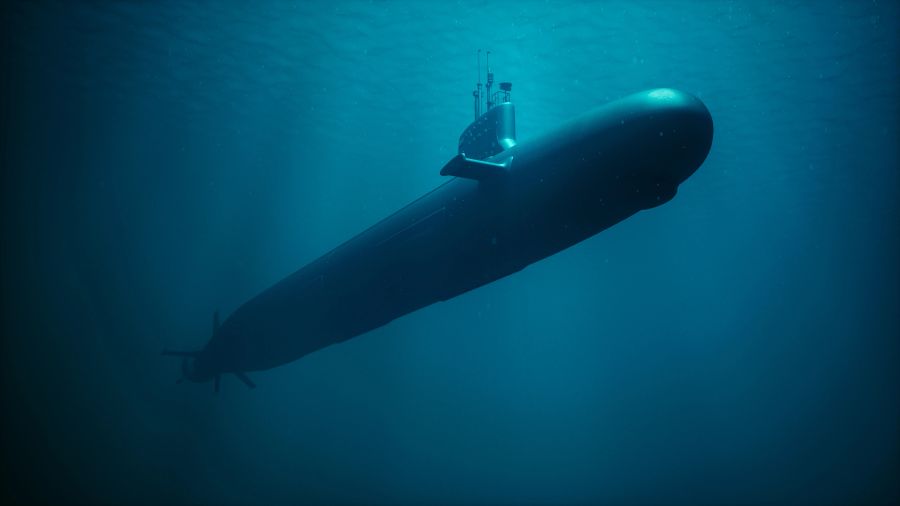
When Australia, the United Kingdom, and the United States announced the AUKUS partnership in September 2021, the headlines focused on nuclear-powered submarines. But the partnership has a second pillar — Pillar II — that is in many ways more immediately consequential for Australia's technological future. It covers advanced capabilities including artificial intelligence, autonomous systems, quantum technologies, and electronic warfare. And it is already delivering results.
What Pillar II Actually Covers
AUKUS Pillar II is a framework for accelerating the development and fielding of advanced defence technologies across all three partner nations. For AI and autonomous systems, this means joint research programs, shared testing infrastructure, and — critically — streamlined technology transfer arrangements that allow Australian industry to access and contribute to cutting-edge defence AI development.
The eight priority areas under Pillar II include undersea warfare capabilities, over-the-horizon radar, electronic warfare, cyber capabilities, AI and autonomy, quantum technologies, hypersonics, and information sharing. AI cuts across almost all of these — it is the enabling technology that makes many of the others more capable.
Australian Industry Involvement
One of the most significant aspects of AUKUS for Australia is the opportunity it creates for Australian defence industry. Under the partnership's technology sharing arrangements, Australian companies are able to participate in development programs that would previously have been inaccessible.
Australian technology companies including those working in AI, robotics, and autonomous systems are engaged in AUKUS-related programs through the Defence Industry Security Program and direct contracting arrangements with the Department of Defence. This is building genuine sovereign capability — Australian engineers and researchers working on world-class defence AI problems, with the knowledge and skills staying in Australia.
Autonomous Undersea Vehicles
One of the most visible AUKUS AI programs involves autonomous undersea vehicles (AUVs). Australia, the US, and UK are collaborating on AI-enabled AUVs capable of conducting long-duration surveillance, mine countermeasures, and logistics support missions without continuous human control.
The Ghost Shark program, developed by Anduril Australia in partnership with the Department of Defence, is a large autonomous undersea vehicle designed for extended operations in Australia's maritime approaches. It uses AI for navigation, obstacle avoidance, and mission management — with human operators setting mission parameters and maintaining oversight of operations.
AI for Logistics and Sustainment
Beyond the headline autonomous systems, AI is being applied to the less glamorous but equally important challenge of defence logistics. Predictive maintenance systems use AI to analyse sensor data from military vehicles, aircraft, and vessels — identifying components likely to fail before they do, and scheduling maintenance to minimise operational disruption.
The ADF's fleet of aircraft and vehicles generates enormous volumes of sensor data. AI tools that can process this data and surface actionable maintenance insights are reducing costs, improving availability, and keeping more platforms mission-ready at any given time.
The Responsible Development Commitment
Australia has been explicit that its participation in AUKUS AI programs is governed by its commitment to responsible AI development. The Department of Defence has published an AI Ethics Framework that applies to all AI systems developed or procured for defence use — covering transparency, accountability, human control, and safety.
This framework is not just a policy document. It shapes how Australian defence AI programs are designed, tested, and operated — ensuring that the capabilities being developed under AUKUS reflect Australian values as well as Australian strategic interests.
The Long-Term Payoff
The investment Australia is making in defence AI through AUKUS will pay dividends well beyond the defence sector. The engineers, researchers, and companies developing these capabilities are building expertise that will flow into the broader Australian technology ecosystem — strengthening Australia's position as a serious player in the global AI industry.
The Industrial Base Development
One of the less-discussed but strategically important aspects of AUKUS Pillar II is its role in developing Australia's defence industrial base. For Australia to be a genuine partner in advanced capability development — rather than simply a customer for technology developed elsewhere — it needs domestic companies with the expertise and security clearances to participate in sensitive programs.
The Australian Government has been investing in the industrial base required to support AUKUS, including through the Defence Industry Security Program and targeted investment in the skills and facilities needed for advanced technology development. This investment is creating a pipeline of Australian companies capable of contributing to AUKUS programs — and building the sovereign capability that Australia's long-term strategic interests require.
The Ethical Framework
Australia's participation in AUKUS AI programs is governed by a clear ethical framework. The Department of Defence's AI Ethics Principles cover transparency, accountability, human control, reliability, and security — and they apply to all AI systems developed or procured for defence use, including those developed under AUKUS arrangements.
This framework is not just a policy commitment — it shapes how programs are designed, what testing and evaluation requirements apply, and how systems are operated in the field. Australia's insistence on maintaining these standards within AUKUS programs reflects a broader commitment to ensuring that the country's defence AI capabilities reflect Australian values as well as Australian strategic interests.
Stay informed
Get AI news every Friday
The AI Digest delivers the week's most important AI stories — free, in plain English.
Subscribe free →Related Articles
More Defence →
Inside Australia's AI-Powered Cyber Defence Shield
The Australian Signals Directorate is using AI to detect and neutralise cyber threats faster than ever — protecting government systems and businesses.
How Australia's Defence Forces Are Using AI to Protect the Nation
The Australian Defence Force is deploying AI-powered drones, cyber tools, and autonomous systems to strengthen national security. Here's what's being built.

Driverless Cabs Are Coming to Australia: What the Trials, the Technology, and the Road Rules Tell Us
Autonomous vehicle trials are running across multiple Australian states, regulators are actively updating the road rules, and the technology is maturing fast. Here is a clear-eyed look at where driverless cabs stand in Australia right now — and why the outlook is genuinely encouraging.