
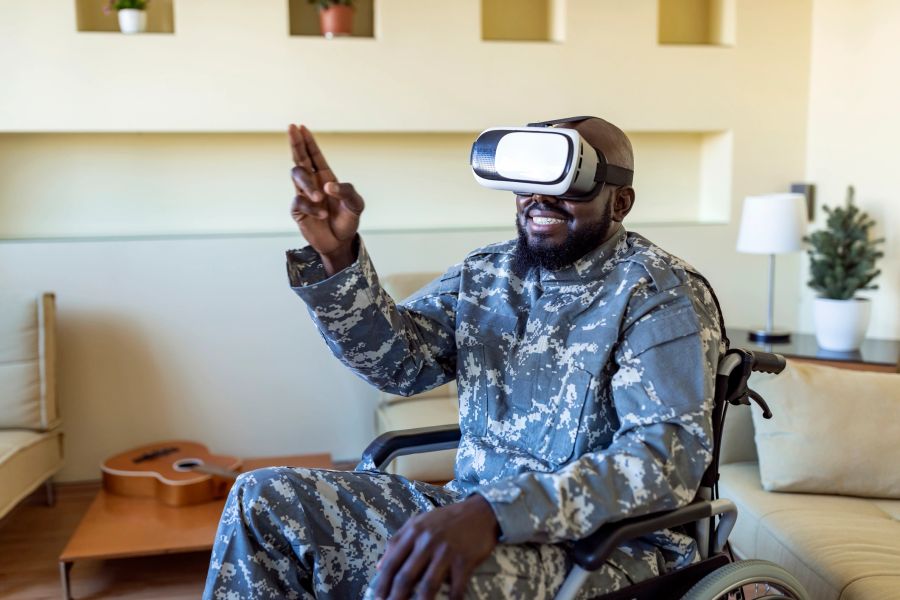
Using AI for Defence Training and Simulation in Australia (2026)
How AI is being used to improve training and simulation in the Australian Defence Force — from AI-powered synthetic environments and adaptive training systems to performance assessment and the development of realistic training scenarios.
Training is fundamental to military effectiveness. The ADF must maintain a high level of readiness across a wide range of capabilities — from individual soldier skills to complex joint operations involving multiple services and allied forces.
AI is transforming defence training and simulation, enabling more realistic, adaptive, and cost-effective training. This article covers the publicly known applications of AI in ADF training and simulation.
Synthetic Training Environments
Synthetic training environments (STEs) use simulation technology to create realistic training scenarios without the cost and risk of live training. AI is making these environments more realistic and more useful.
AI-Powered Adversaries
In traditional simulation training, adversary forces are either controlled by human role-players or follow scripted behaviours. AI-powered adversaries can behave more realistically — adapting to trainee actions, employing realistic tactics, and providing a more challenging training experience.
The ADF uses simulation systems that incorporate AI-powered adversaries for individual and collective training. The specific systems vary by service and capability.
Realistic Environment Simulation
AI tools can generate realistic synthetic environments — terrain, weather, urban areas — that provide a more immersive training experience. This includes generating realistic acoustic and visual environments for sensor simulation.
Multi-Domain Simulation
Modern military operations are conducted across multiple domains — land, sea, air, space, and cyber. AI tools are enabling more realistic multi-domain simulation, allowing the ADF to train for the complex, integrated operations that modern warfare requires.
Adaptive Training Systems
AI-powered adaptive training systems can adjust the difficulty and content of training based on trainee performance:
- Personalised learning pathways: AI analyses trainee performance and recommends training content that addresses specific knowledge or skill gaps.
- Adaptive difficulty: The training system adjusts the difficulty of scenarios based on trainee performance — increasing challenge as competence develops.
- Real-time feedback: AI provides real-time feedback on trainee performance during simulation exercises.
Performance Assessment
Assessing trainee performance in complex simulation exercises has traditionally relied on human observers. AI tools can supplement human assessment by:
- Tracking trainee actions and decisions throughout an exercise
- Identifying deviations from doctrine and standard operating procedures
- Providing detailed performance data for debriefing
- Generating performance reports that trainers can use to identify training needs
The Defence Science and Technology Group (DSTG) conducts research into AI-assisted performance assessment for defence training.
Wargaming and Experimentation
AI tools are being used to support military wargaming and experimentation:
- AI-assisted wargaming: AI tools can help analysts and planners explore the potential outcomes of different courses of action in a wargaming context.
- Red teaming: AI tools can be used to simulate adversary behaviour in wargames, helping planners identify vulnerabilities in their plans.
- Concept development: AI tools can help analysts explore the implications of new concepts and capabilities before they are developed.
ASPI and other research organisations use AI-assisted analysis in their research on defence strategy and capability.
Language and Cultural Training
AI tools are being used to improve language and cultural training for ADF personnel:
- Language learning: AI-powered language learning tools can provide personalised language training, adapting to learner progress and focusing on the specific language skills needed for military operations.
- Cultural awareness: AI tools can help develop cultural awareness training materials, drawing on a wide range of sources to provide realistic and nuanced cultural content.
- Translation: AI translation tools can support ADF personnel operating in foreign language environments, though human interpreters remain essential for sensitive communications.
Cyber Training
Cyber training is an increasingly important part of ADF training. AI tools are used in cyber training to:
- Generate realistic cyber scenarios: AI can generate realistic cyber attack scenarios for training cyber defenders.
- Simulate adversary behaviour: AI can simulate the behaviour of sophisticated cyber adversaries in training exercises.
- Assess trainee performance: AI can assess trainee performance in cyber exercises and provide detailed feedback.
The ASD's Australian Cyber Security Centre (ACSC) provides cyber security training and exercises for government agencies, including Defence.
Key Considerations
Simulation Cannot Replace Live Training
Simulation training is valuable, but it cannot fully replicate the physical, psychological, and environmental demands of real military operations. Simulation should complement, not replace, live training.
Maintaining Human Judgement
AI-assisted training can improve efficiency and effectiveness, but the development of military judgement — the ability to make sound decisions under pressure — requires human experience and mentorship that AI cannot replicate.
Security
Defence training systems contain sensitive information about military capabilities, tactics, and procedures. These systems must be protected against cyber threats and must comply with Defence security requirements.
Stay informed
Get AI news every Friday
The AI Digest delivers the week's most important AI stories — free, in plain English.
Subscribe free →Related Articles
More Professions →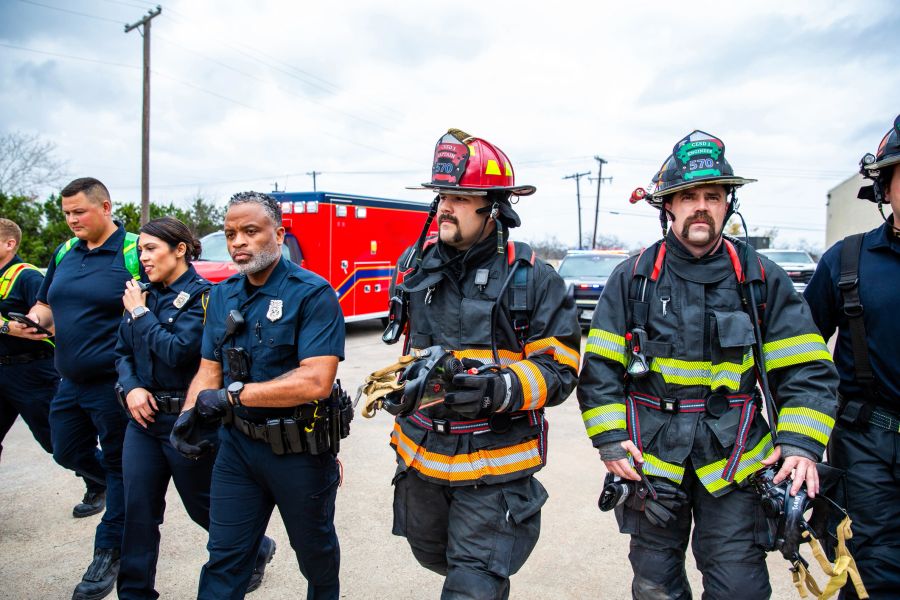
Using AI for Emergency Services Training in Australia (2026)
How Australian emergency services organisations are using AI to improve training — from AI-powered simulation environments and scenario generation to performance assessment, e-learning, and personalised training pathways.
Using AI for Council Planning and Infrastructure in Australia (2026)
How Australian local government councils can use AI to improve development assessment, infrastructure planning, asset management, and environmental monitoring — with a clear-eyed view of what AI can and cannot do in a planning context.
Using AI for Defence Logistics and Operations in Australia (2026)
How AI is being used to improve logistics, supply chain management, maintenance, and operational planning in the Australian Defence Force — from predictive maintenance and inventory optimisation to humanitarian assistance operations.