
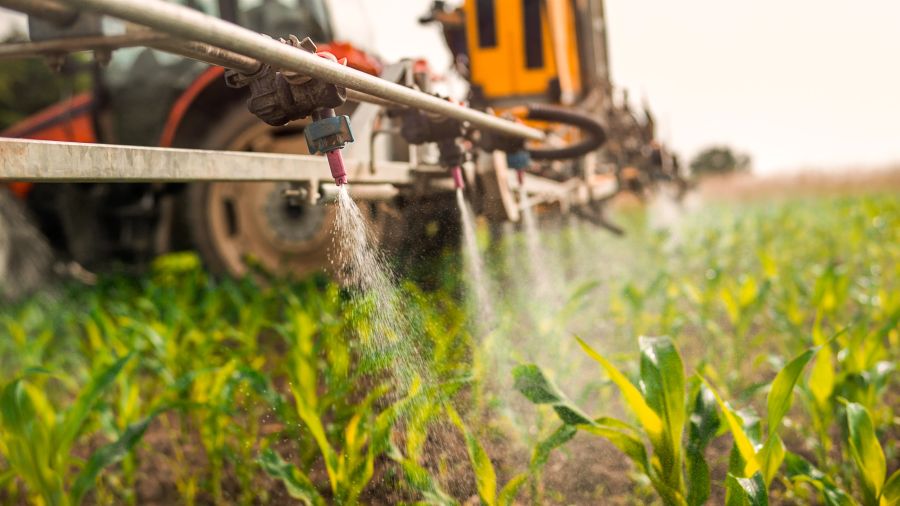
AI for Horticultural Pest and Disease Management in Australia (2026)
How Australian horticulturists are using AI tools for pest and disease identification, disease risk modelling, and integrated pest management to protect crops and reduce chemical use.
AI in Horticultural Pest and Disease Management
Pest and disease management is one of the most significant challenges and costs in Australian horticulture. AI tools are being applied to improve the accuracy and timeliness of pest and disease detection, support more targeted management responses, and reduce the overall chemical load in horticultural production systems.
AI Image Recognition for Pest and Disease Identification
AI image recognition tools that can identify crop diseases and pests from smartphone photographs are increasingly accessible and capable. Apps such as Plantix and Agrio allow growers and their advisers to photograph affected plants and receive an AI-generated identification and management recommendation.
These tools are trained on large datasets of crop disease and pest images and can identify a wide range of conditions across multiple horticultural crops. Their accuracy has improved significantly, but they have important limitations in Australian conditions.
Many AI identification tools are trained primarily on data from Northern Hemisphere crops and may not accurately identify Australian-specific pests and diseases, or conditions that are less common in the global training dataset. State agricultural departments and Horticulture Innovation Australia publish identification guides for Australian horticultural pests and diseases that should be used alongside AI tools.
AI identification tools should be used as a starting point for diagnosis — generating a list of possible causes — and then verified through physical examination, comparison with authoritative resources, and laboratory testing when the diagnosis is uncertain.
Disease Risk Modelling
Disease risk models use weather data — temperature, humidity, rainfall, and leaf wetness — to predict periods of high disease pressure and recommend spray timing. These models are available for several important horticultural diseases in Australia.
Fire blight in apples and pears is managed using the Maryblyt and Cougarblight models, which predict infection risk based on temperature and wetness conditions during bloom. These models are incorporated into several weather-based decision support platforms used by Australian apple and pear growers.
Botrytis risk models are used in strawberry, grape, and vegetable production to time fungicide applications during periods of high humidity and cool temperatures. The Pessl Instruments FieldClimate platform provides botrytis risk forecasts for Australian horticultural regions.
Disease risk models are most useful when combined with regular crop scouting — physically inspecting crops for early disease symptoms — and the judgement of an experienced agronomist who knows the specific conditions in the growing area.
Integrated Pest Management Decision Support
Integrated pest management (IPM) requires regular monitoring to assess pest populations and compare them against economic thresholds before making spray decisions. AI tools can assist with recording and analysing monitoring data, tracking pest population trends, and generating alerts when thresholds are approached.
cesar Australia's PestFacts service provides regular updates on pest activity across Australian growing regions, including information on beneficial insect populations that are important for IPM programs. Horticulture Innovation Australia has funded research on IPM in multiple Australian horticultural industries.
Automated insect monitoring traps that use AI image recognition to count and identify insects are being developed and trialled in Australian horticultural operations. These systems can provide more frequent and objective monitoring data than manual trap counts, reducing the labour required for IPM monitoring programs.
Biosecurity and Exotic Pest Management
Australia's biosecurity system protects the horticultural industry from exotic pests and diseases that could cause significant economic damage if they became established. AI tools are being used to improve the speed and accuracy of exotic pest detection at the border and in the field.
The Department of Agriculture, Fisheries and Forestry uses AI-assisted image analysis tools to support biosecurity inspection at Australian ports of entry. In the field, AI identification tools can help growers and their advisers identify potential exotic pest incursions and report them to the relevant authorities promptly.
Growers should be familiar with the exotic pests and diseases that pose the greatest risk to their industry and know how to report suspected detections to the relevant state or federal agricultural authority. Early detection and rapid response are critical for containing exotic pest incursions before they become established.
Stay informed
Get AI news every Friday
The AI Digest delivers the week's most important AI stories — free, in plain English.
Subscribe free →Related Articles
More Agriculture →
AI for Horticultural Irrigation Management in Australia (2026)
How Australian horticulturists are using AI-assisted irrigation scheduling, soil moisture monitoring, and precision water management to improve crop quality and reduce water use.
AI for Horticultural Market Access in Australia (2026)
How Australian horticulturists are using AI tools to improve market intelligence, meet retailer and export requirements, manage supply chain logistics, and access new markets.
AI for Crop Scouting and Disease Identification in Australia (2026)
How Australian agronomists are using AI image recognition tools and remote sensing to improve crop scouting efficiency, identify diseases and pests earlier, and provide more timely advice.