
AI for Dentist Diagnostic Imaging in Australia (2026)
How Australian dentists are using AI to support diagnostic imaging — from caries detection and bone loss assessment to radiograph analysis and improving diagnostic accuracy.
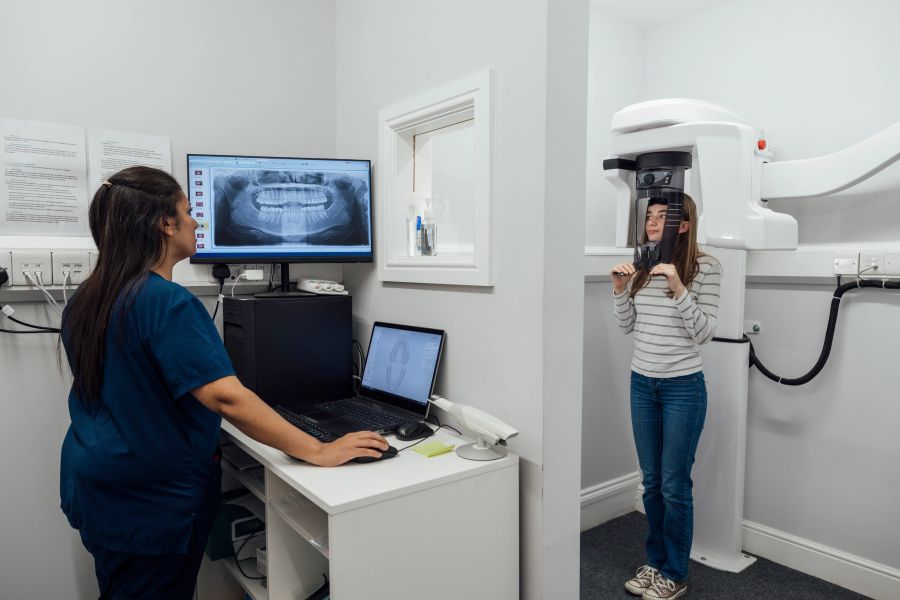
AI-assisted diagnostic imaging is one of the most clinically significant applications of artificial intelligence in dentistry. Australian dentists are increasingly using AI tools that analyse dental radiographs to assist in detecting caries, bone loss, calculus, and other pathology — providing an additional layer of analysis that can support clinical decision-making and improve diagnostic accuracy.
This article covers how AI diagnostic imaging works in dentistry, what tools are available to Australian dentists, what the evidence says about their accuracy, and what professional obligations apply when using them.
How AI Dental Diagnostic Imaging Works
AI diagnostic imaging tools for dentistry use machine learning models — typically convolutional neural networks — trained on large datasets of annotated dental radiographs. These models learn to identify patterns associated with specific pathology: the appearance of early caries on bitewing radiographs, the pattern of bone loss on periapical films, the presence of calculus on panoramic images.
When a dentist takes a radiograph and uploads it to an AI diagnostic platform, the model analyses the image and generates annotations — highlighting areas of concern and providing a findings report. The dentist then reviews the AI's findings alongside the radiograph, applies their clinical knowledge and direct patient examination, and makes the final diagnostic decisions.
The AI does not diagnose — it identifies patterns that may indicate pathology and brings them to the dentist's attention. The dentist remains responsible for all diagnostic and treatment decisions.
What AI Can Detect
Current AI diagnostic tools for dentistry are most developed for detecting caries on bitewing radiographs, interproximal bone loss on periapical and bitewing films, calculus deposits, periapical pathology, and root fractures. Some platforms also analyse panoramic radiographs for a broader range of findings.
The accuracy of AI diagnostic tools varies between platforms and depends on the quality of the training data, the imaging conditions, and the specific pathology being detected. Published studies have shown that AI tools can achieve diagnostic accuracy comparable to experienced dentists for some tasks — particularly caries detection on bitewing radiographs — but performance varies and no AI tool is infallible.
The Evidence Base
The evidence for AI diagnostic imaging in dentistry is growing but still developing. Published studies have generally shown that AI tools can improve the detection of early caries and reduce the rate of missed findings compared to unaided radiograph interpretation. Some studies have shown that AI-assisted interpretation improves the diagnostic accuracy of less experienced practitioners.
However, the evidence base has limitations. Many studies have been conducted in controlled conditions that may not reflect real-world clinical practice. The performance of AI tools on Australian patient populations may differ from results reported in international studies. And the evidence for some applications — such as AI-assisted bone loss assessment — is less developed than for caries detection.
Australian dentists should evaluate the evidence base for any AI diagnostic tool they are considering, look for tools that have been validated on diverse patient populations, and maintain appropriate scepticism about vendor claims.
Regulatory Considerations
Some AI diagnostic tools used in dentistry may be classified as medical devices under Australian law and require regulatory clearance from the Therapeutic Goods Administration (TGA). Dentists should check the regulatory status of any AI diagnostic tool they are considering before adopting it in practice.
The Dental Board of Australia's standards for practice apply to all clinical decisions, including those informed by AI tools. Dentists are responsible for ensuring that any AI tool they use is appropriate for clinical use and complies with Australian regulatory requirements.
Professional Obligations
Using AI diagnostic imaging tools does not change the dentist's professional obligations. The dentist remains responsible for: reviewing all AI-generated findings and applying clinical judgement; making the final diagnostic and treatment decisions; documenting the basis for clinical decisions in the patient record; maintaining patient privacy and data security; and being transparent with patients about the use of AI in their care.
If an AI tool misses a finding or generates a false positive, the professional responsibility for the diagnostic outcome rests with the dentist. AI tools are decision support — they do not transfer professional responsibility.
Practical Implementation
Implementing AI diagnostic imaging in a dental practice requires choosing a platform that integrates with your existing imaging system, training your team on how to use the tool and interpret its outputs, establishing a workflow for reviewing AI findings, and communicating with patients about the use of AI in their care.
Most AI diagnostic platforms offer integration with major dental imaging systems used in Australia. The implementation process typically involves installing software, calibrating the system to your imaging equipment, and completing training provided by the vendor.
Getting Started with AI as a Dentist in Australia
The best way to begin is to identify one repetitive task that consumes significant time each week. For most dentists, that is either documentation, client communication, or research. Start with a free tool like ChatGPT or Google Gemini, and test it on a low-stakes task before rolling it out across your practice or business.
Once you are comfortable with the basics, consider tools purpose-built for your profession. Dental4Windows, Exact, and Cliniko are widely used by Australian dental practices and are integrating AI features into clinical and administrative workflows. These platforms are designed with dentist workflows in mind and often integrate with the software you already use.
Practical Tips for Dentists Using AI
Start with prompts, not platforms. Before subscribing to any paid tool, spend time learning how to write effective prompts. A well-crafted prompt in a free tool will outperform a poorly used paid platform every time.
Keep AHPRA and the Australian Dental Association compliance front of mind. AI tools do not automatically know your professional obligations. Always review AI-generated content against your regulatory requirements before using it with clients or submitting it to any authority.
Use AI for drafts, not finals. The most effective dentists use AI to produce a first draft quickly, then apply their professional judgement to refine it. This approach saves time without sacrificing quality or accuracy.
Document your AI use. As AI becomes more common in professional settings, keeping a record of how and when you use it protects you if questions arise later. This is especially important in regulated professions.
Drafting Patient Treatment Notes: A Practical Example
Consider a dentist who needs to draft a clinical note summarising a patient consultation and proposed treatment plan. Traditionally this might take an hour or more. With AI, the same task can be completed in fifteen to twenty minutes by using a structured prompt that includes the relevant context, the desired output format, and any specific requirements.
The result still needs professional review — but the time saving is significant. Across a working week, this kind of efficiency gain adds up to several hours that can be redirected to higher-value work or client-facing time.
The Bottom Line for Australian Dentists
Australian dentists who have adopted AI tools consistently report three main benefits: faster turnaround on routine tasks, improved consistency in documentation and communications, and more time available for the work that actually requires their expertise.
The key is to approach AI as a capable assistant rather than a replacement for professional judgement. Used this way, it becomes one of the most valuable tools available to any dentist operating in Australia today.
Stay informed
Get AI news every Friday
The AI Digest delivers the week's most important AI stories — free, in plain English.
Subscribe free →Related Articles
More Professions →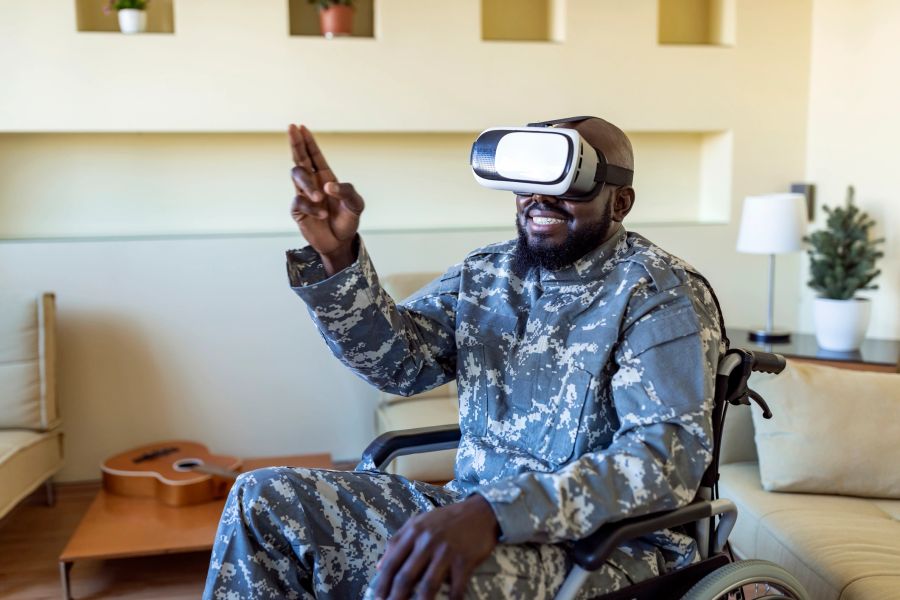
Using AI for Defence Training and Simulation in Australia (2026)
How AI is being used to improve training and simulation in the Australian Defence Force — from AI-powered synthetic environments and adaptive training systems to performance assessment and the development of realistic training scenarios.
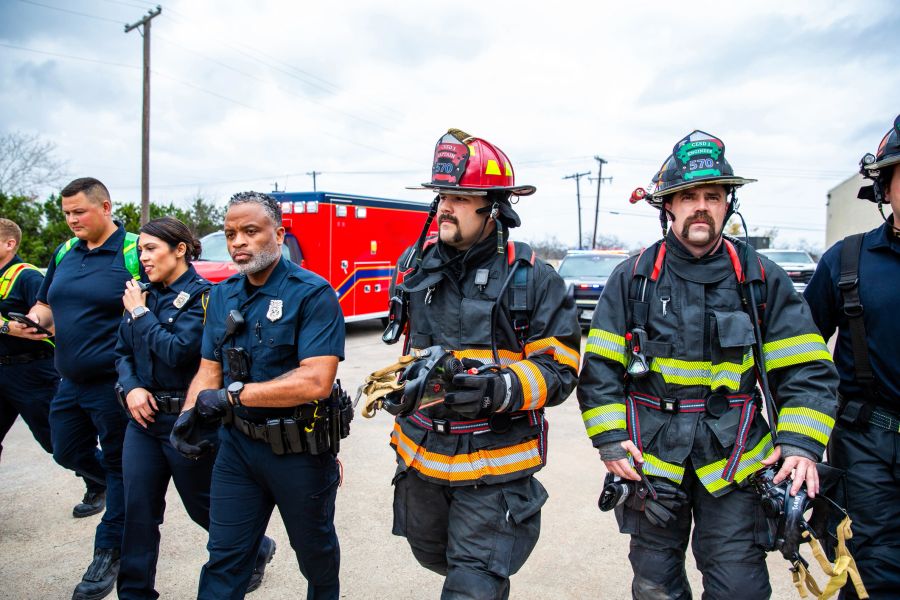
Using AI for Emergency Services Training in Australia (2026)
How Australian emergency services organisations are using AI to improve training — from AI-powered simulation environments and scenario generation to performance assessment, e-learning, and personalised training pathways.

How AI Is Improving Disaster Response in Australia (2026)
How AI tools are being used to improve disaster response in Australia — from bushfire behaviour prediction and flood forecasting to damage assessment, resource coordination, and real-time situational awareness during major incidents.