
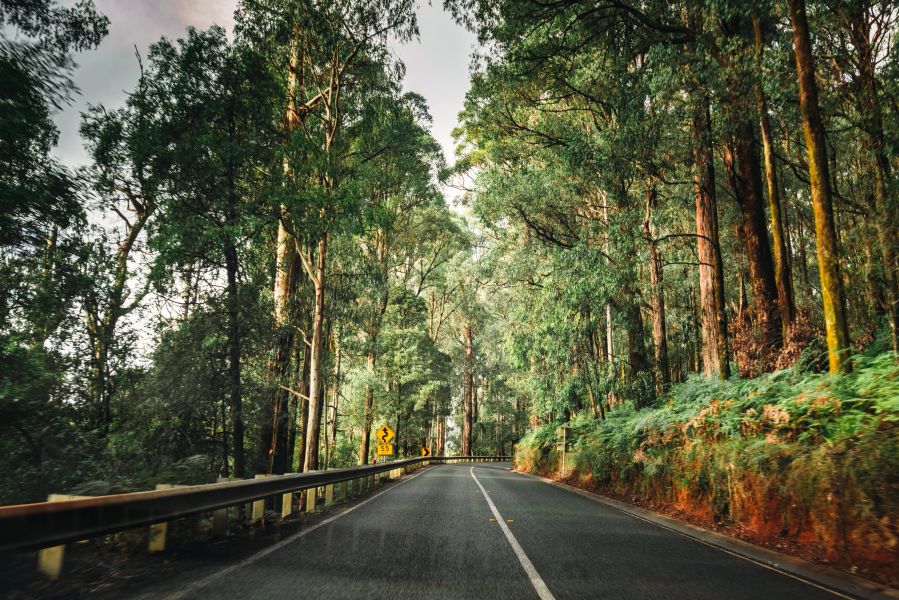
AI Cameras on the Monaro Highway Are Warning Drivers About Wildlife in Real Time
AI cameras on the Monaro Highway detect kangaroos and wombats in real time, triggering smart signs to warn drivers before a collision. Here's how it works.
A trial combining artificial intelligence animal detection cameras with smart roadside signage is underway on the Monaro Highway in New South Wales, with the goal of reducing the number of wildlife-vehicle strikes on one of the state's most wildlife-active road corridors. The initiative represents a practical application of AI to a road safety challenge that has resisted easy solutions for decades.
How the System Works
The trial brings together two technologies working in tandem. AI-assisted cameras are positioned along the highway to detect animals approaching or crossing the road. When an animal is detected, the system triggers smart signage that alerts drivers in real time, giving them earlier warning than traditional static wildlife signs.
The approach moves beyond passive road signage by making warnings dynamic and responsive to actual animal activity, rather than simply reminding drivers that wildlife may be present at any time. A driver who sees a flashing warning sign knows that an animal has been detected nearby right now — not just that animals are generally present in the area.
The AI component is trained to distinguish between wildlife and other objects — reducing false positives from vegetation movement, passing vehicles, or other non-animal triggers. The accuracy of the detection system is a critical factor in driver trust: signs that flash too frequently for non-animal reasons lose their effectiveness as warnings.
Why the Monaro Highway
The Monaro Highway, which runs through the Southern Tablelands of New South Wales, passes through habitat supporting significant populations of kangaroos, wombats, and other native wildlife. Wildlife-vehicle strikes are a serious road safety issue in regional NSW, causing injuries to drivers and passengers as well as significant harm to native animal populations.
The corridor was selected for the trial given the frequency of wildlife activity and the road safety risk it presents, particularly during dawn and dusk when animals are most active. These twilight periods are also when driver visibility is most compromised, making the combination of reduced visibility and high animal activity particularly dangerous.
The Human Cost of Wildlife Strikes
Wildlife-vehicle collisions are not just an inconvenience — they cause serious injuries and fatalities. Kangaroos, in particular, are large enough to cause significant vehicle damage and serious injury to occupants, especially at highway speeds. The economic cost of wildlife strikes — in vehicle damage, emergency response, and healthcare — runs into hundreds of millions of dollars annually across Australia.
For native wildlife, the toll is also significant. Vehicle strikes are a leading cause of mortality for many species, including wombats, which are particularly vulnerable due to their low profile and tendency to freeze in headlights.
A Government-Backed Initiative
The trial has been announced by the NSW Minister for Roads and the Minister for Regional Transport, reflecting a government commitment to applying emerging technology to longstanding road safety challenges in regional areas.
If the trial demonstrates measurable reductions in wildlife-vehicle strikes, the technology could be considered for deployment on other high-risk wildlife corridors across New South Wales — and potentially across other states facing similar challenges.
Broader Context
The use of AI in road safety and wildlife management is a growing area of interest across Australia. Camera-based detection systems are increasingly being explored for their potential to protect both road users and native fauna, combining computer vision with connected infrastructure to create smarter, more responsive road environments. The Monaro Highway trial is an early example of what that future might look like in practice.
The Technology Behind the Detection
The AI systems used in wildlife detection trials like the Monaro Highway project are trained on large datasets of images captured at different times of day, in different weather conditions, and across different seasons. This training is essential for the system to perform reliably in the real-world variability of a highway environment — distinguishing a kangaroo from a roadside post in poor light, or a wombat from a fallen branch in the rain.
The accuracy of these systems improves over time as they accumulate more data from the specific environment they are deployed in. A system that has been operating on the Monaro Highway for a full year will have learned the specific patterns of wildlife activity on that corridor — the times of day, the weather conditions, and the locations where animals are most likely to appear — making its detections increasingly reliable.
Potential for Broader Rollout
If the Monaro Highway trial demonstrates measurable reductions in wildlife-vehicle strikes, the technology has clear potential for broader deployment across Australia's extensive network of regional highways. States including Queensland, Western Australia, and South Australia all have highway corridors with significant wildlife activity, and the road safety and conservation benefits of effective AI detection systems would be substantial.
The cost of deploying and maintaining these systems at scale is a key consideration, and the trial data will be important in building the economic case for broader investment. Early indications from similar trials in other countries suggest that the cost savings from reduced vehicle damage and emergency response, combined with the conservation benefits, make a compelling case for investment in AI wildlife detection on high-risk corridors.
Stay informed
Get AI news every Friday
The AI Digest delivers the week's most important AI stories — free, in plain English.
Subscribe free →Related Articles
More Environment →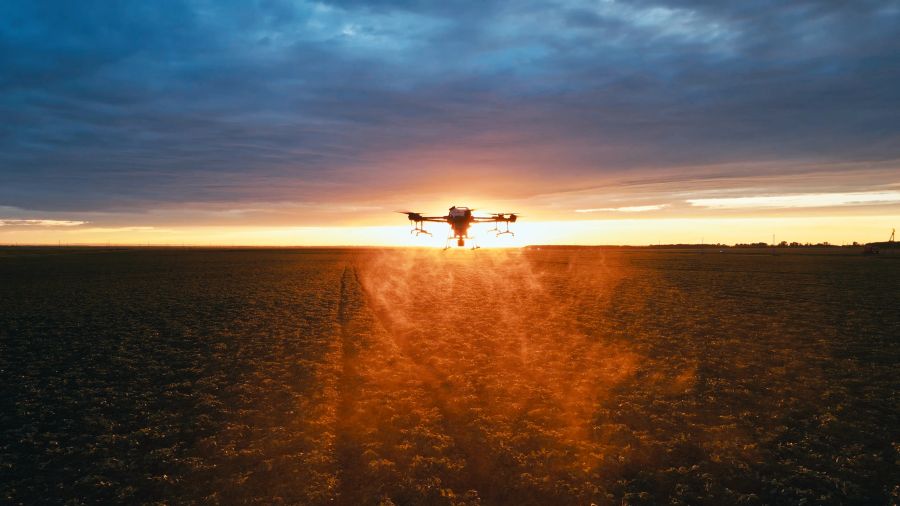
How AI Is Transforming Australian Farming
AI drones, smart irrigation, and livestock sensors are transforming Australian farms — boosting yields, cutting costs, and helping farmers use less water.

CSIRO's AI Research Is Putting Australia on the Global Science Map
CSIRO is applying AI to bushfire prediction, reef monitoring, and precision agriculture — and the world is paying attention. Inside Australia's top AI research.
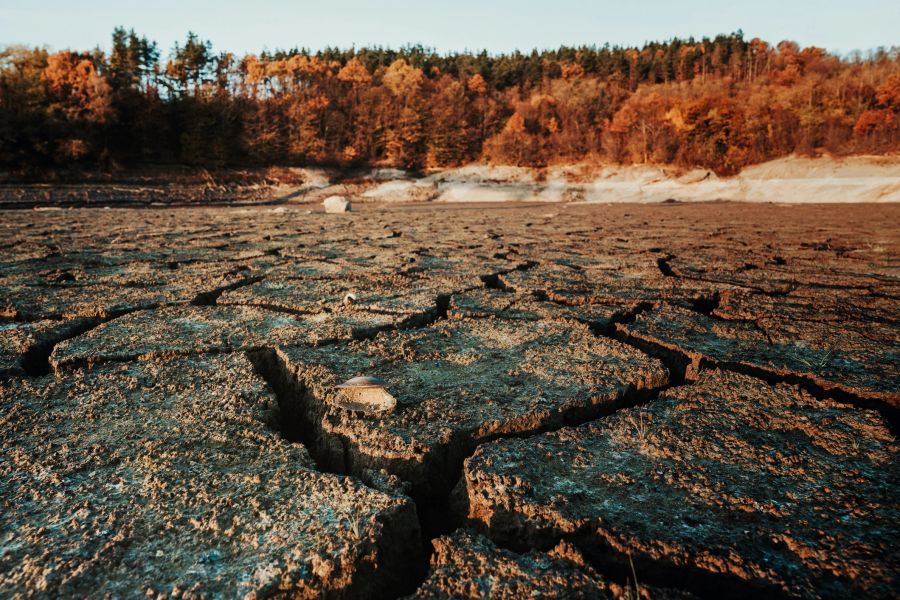
How AI Is Giving Australian Farmers an Early Warning on Drought
Australian farmers are gaining access to earlier, more actionable drought warnings through AI tools built on CSIRO research and Bureau of Meteorology seasonal forecasting data — changing how they manage stock, water, and forward contracts before dry conditions lock in.