
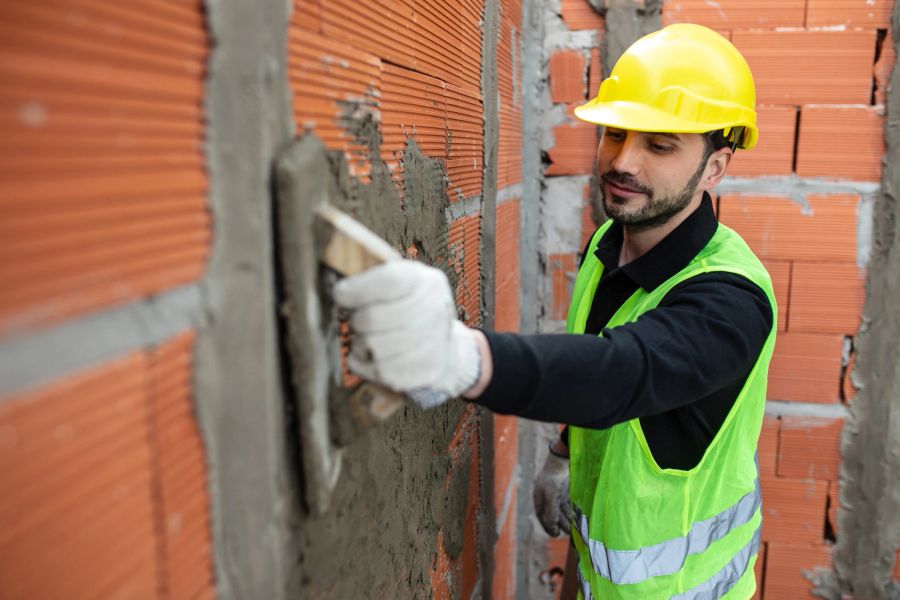
AI for Bricklayer Compliance and Masonry Standards in Australia (2026)
How Australian bricklayers are using AI tools to manage AS 3700 compliance, brick specification, heritage repointing documentation, scaffolding compliance, and SafetyCulture safety management.
Bricklaying in Australia is governed by a detailed compliance framework — the National Construction Code, Australian Standards for masonry, state building regulations, and workplace health and safety legislation. Staying current with these requirements is important for every bricklayer, and AI tools are making it easier to understand, document, and communicate compliance obligations.
National Construction Code and AS 3700
The National Construction Code (NCC) sets the minimum performance requirements for buildings in Australia, including masonry construction. AS 3700 — Masonry Structures — is the key Australian Standard for bricklaying and masonry work, covering design, materials, construction, and quality requirements. The 2022 NCC introduced significant changes to energy efficiency and condensation management requirements that affect masonry construction.
AI tools can help bricklayers understand compliance requirements by summarising relevant sections of the NCC and AS 3700, generating compliance checklists for specific job types, and explaining technical requirements in plain language that can be communicated to clients and builders. Always verify AI-generated compliance summaries against the authoritative source — check ncc.gov.au for the current version.
Safe Work Method Statements (SWMS)
A SWMS is required for high-risk construction work in Australia, including work at heights above 2 metres. AI tools can help by generating draft SWMS documents for common bricklaying tasks, saving significant time on documentation.
Key elements of a bricklaying SWMS include: description of the work, identified hazards and risks, control measures, PPE requirements, emergency procedures, and worker sign-off. Always review and adapt AI-generated SWMS documents to reflect the specific conditions of each job — a generic SWMS that doesn't reflect the actual site conditions is not compliant and won't protect you if something goes wrong.
ChatGPT and Claude can generate draft SWMS content when given details about the specific task and site conditions. The output must always be reviewed by a competent person before use.
Licensing and Registration
Bricklaying licensing requirements vary by state and territory in Australia. In most states, bricklayers working on residential buildings above a certain value must hold a contractor licence. Requirements include minimum experience, insurance, and in some states, a business licence separate from a trade licence.
AI tools can help by summarising licensing requirements for your state, generating licence application checklists, and drafting continuing professional development (CPD) records. Always verify licensing requirements directly with your state's building authority — requirements change, and AI tools may not reflect the most current requirements.
Quality Documentation
Maintaining quality documentation is important for compliance and for resolving disputes. AI tools can help by generating quality inspection checklists for masonry work, drafting defect notification letters, and creating handover documentation templates that demonstrate compliance with the NCC and AS 3700. Good quality documentation protects you if a dispute arises and demonstrates professionalism to builders and clients.
Working with Building Certifiers and Inspectors
Building certifiers and inspectors play an important role in the compliance process for bricklaying work. AI tools can help you prepare for inspections by generating inspection checklists, drafting questions for pre-inspection meetings, and creating documentation that demonstrates compliance. Good communication with building certifiers — clear, professional, and well-documented — reduces the risk of failed inspections and costly rework.
Insurance and Contracts
Bricklayers in Australia need appropriate insurance — public liability, contract works, and in some states, home warranty insurance for residential work above a certain value. AI tools can help by drafting contract terms, generating insurance requirement checklists, and creating subcontractor agreement templates that protect your business. A well-drafted contract that clearly defines scope, payment terms, and variation procedures is one of the most important risk management tools for a bricklaying business.
Getting Started with AI as a Bricklayer in Australia
The best way to begin is to identify one repetitive task that consumes significant time each week. For most bricklayers, that is either documentation, client communication, or research. Start with a free tool like ChatGPT or Google Gemini, and test it on a low-stakes task before rolling it out across your practice or business.
Once you are comfortable with the basics, consider tools purpose-built for your profession. ServiceM8, Tradify, and Buildxact are used by Australian bricklaying contractors for quoting, job management, and compliance documentation. These platforms are designed with bricklayer workflows in mind and often integrate with the software you already use.
Practical Tips for Bricklayers Using AI
Start with prompts, not platforms. Before subscribing to any paid tool, spend time learning how to write effective prompts. A well-crafted prompt in a free tool will outperform a poorly used paid platform every time.
Keep Master Builders Australia and Safe Work Australia compliance front of mind. AI tools do not automatically know your professional obligations. Always review AI-generated content against your regulatory requirements before using it with clients or submitting it to any authority.
Use AI for drafts, not finals. The most effective bricklayers use AI to produce a first draft quickly, then apply their professional judgement to refine it. This approach saves time without sacrificing quality or accuracy.
Document your AI use. As AI becomes more common in professional settings, keeping a record of how and when you use it protects you if questions arise later. This is especially important in regulated professions.
Preparing a Masonry Quote: A Practical Example
Consider a bricklayer who needs to draft a detailed quote for a brick boundary fence including materials, labour, and footing specifications. Traditionally this might take an hour or more. With AI, the same task can be completed in fifteen to twenty minutes by using a structured prompt that includes the relevant context, the desired output format, and any specific requirements.
The result still needs professional review — but the time saving is significant. Across a working week, this kind of efficiency gain adds up to several hours that can be redirected to higher-value work or client-facing time.
The Bottom Line for Australian Bricklayers
Australian bricklayers who have adopted AI tools consistently report three main benefits: faster turnaround on routine tasks, improved consistency in documentation and communications, and more time available for the work that actually requires their expertise.
The key is to approach AI as a capable assistant rather than a replacement for professional judgement. Used this way, it becomes one of the most valuable tools available to any bricklayer operating in Australia today.
Stay informed
Get AI news every Friday
The AI Digest delivers the week's most important AI stories — free, in plain English.
Subscribe free →Related Articles
More Construction & Trades →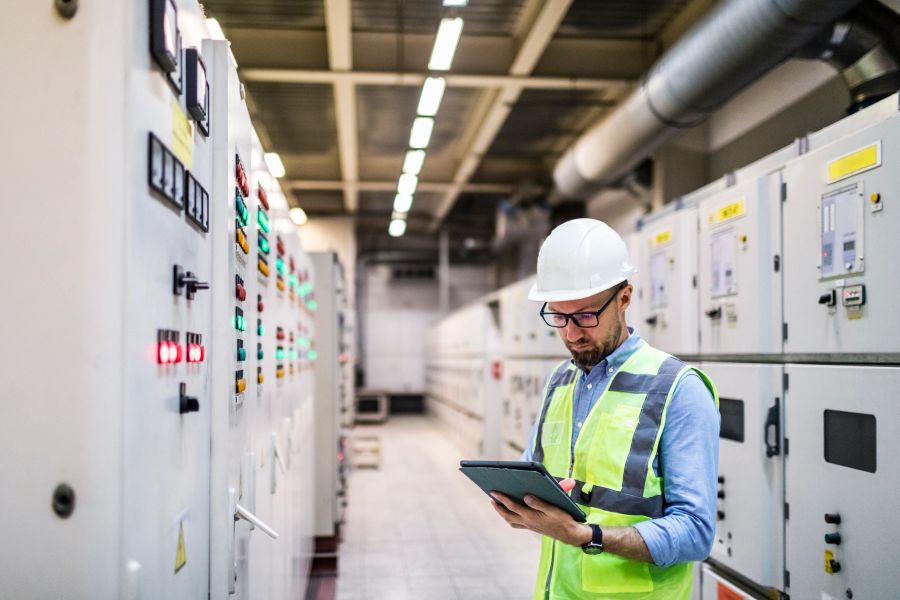
AI for Electrician Compliance Documentation in Australia (2026)
How Australian electricians are using AI tools to manage certificates of electrical safety, defect notices, test records, and compliance documentation across different state requirements.
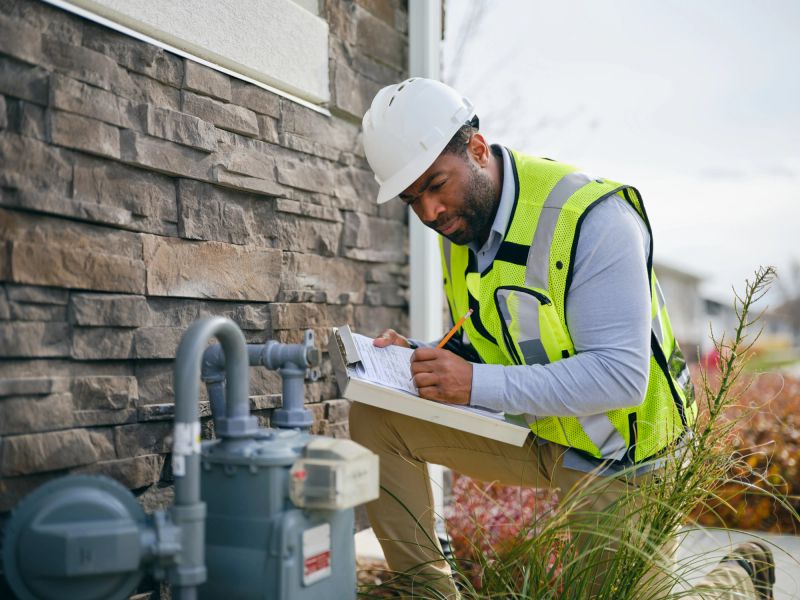
AI for Plumber Gas Fitting and Compliance in Australia (2026)
How Australian gas fitters are using AI tools to manage compliance certificates, SWMS, hot water system documentation, and client communication across different state requirements.
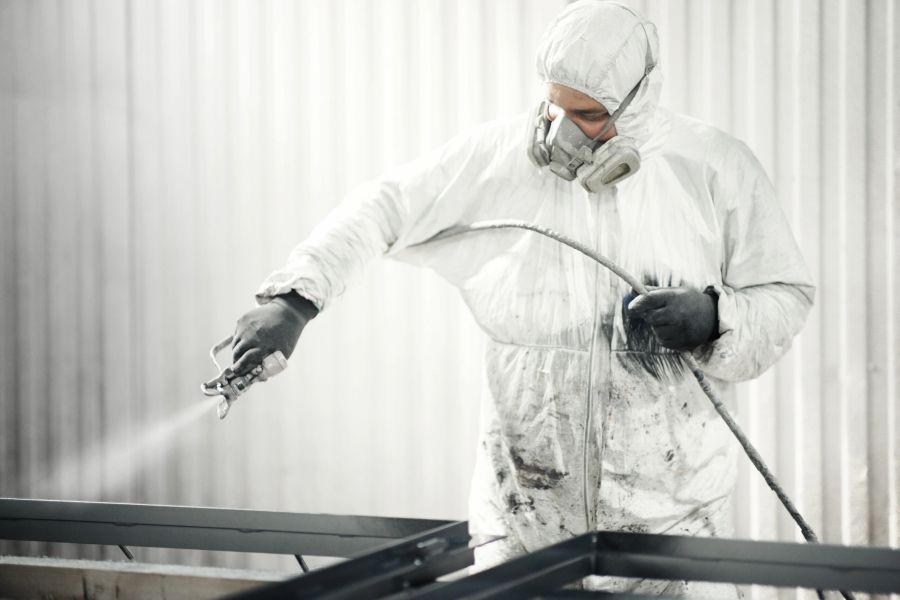
AI for Painter Lead Paint and Compliance in Australia (2026)
How Australian painters are using AI tools to manage lead paint identification, risk assessment documentation, client notifications, and WHS compliance for lead paint work.