
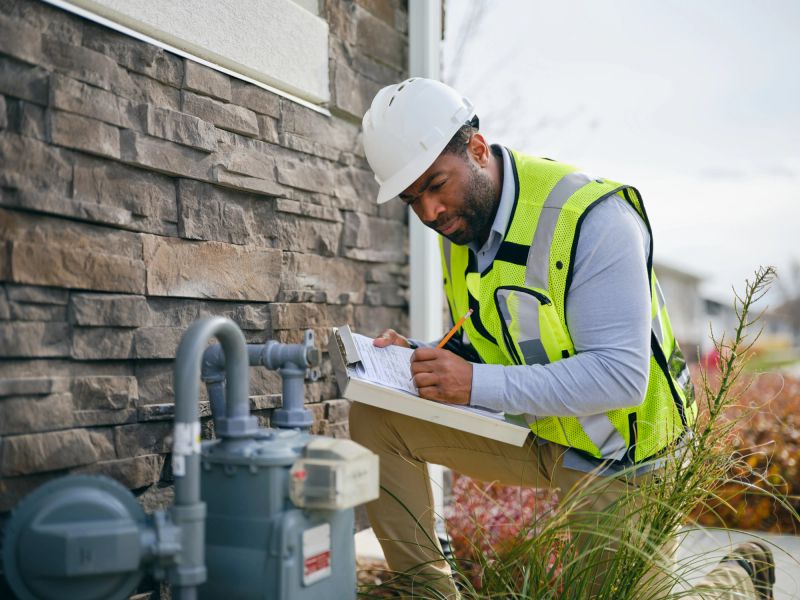
AI for Plumber Gas Fitting and Compliance in Australia (2026)
How Australian gas fitters are using AI tools to manage compliance certificates, SWMS, hot water system documentation, and client communication across different state requirements.
Gas fitting is a significant and specialised area of work for many Australian plumbers. It involves specific licensing requirements, compliance obligations, and safety risks that make accurate documentation and communication particularly important. AI tools are helping gas fitters manage the administrative side of their work more efficiently.
Gas Fitting Licensing in Australia
Gas fitting in Australia requires a separate licence from general plumbing in most states and territories. The licensing requirements vary by jurisdiction:
- NSW: Gas fitting work requires a gas fitting licence issued by NSW Fair Trading, in addition to a plumbing licence
- VIC: Gas fitting work requires a gasfitting licence issued by the Victorian Building Authority (VBA)
- QLD: Gas work requires a gas work licence issued by the Electrical Safety Office (ESO) or the QBCC
- WA: Gas fitting requires a gas fitting licence issued by Building and Energy WA
- SA: Gas work requires a gas fitting licence issued by the Office of the Technical Regulator (OTR)
AI tools help gas fitters manage their licensing documentation, track renewal dates, and produce capability statements that include their licence details.
Compliance Certificates for Gas Work
Every gas installation must be tested and a compliance certificate issued. The specific certificate requirements vary by state:
- VIC: Certificate of Compliance for gas work, lodged with the VBA
- NSW: Certificate of Compliance for gas work, lodged with NSW Fair Trading
- QLD: Gas work certificate, lodged with the relevant authority
- WA: Certificate of Compliance for gas work, lodged with Building and Energy WA
Tradify and ServiceM8 both include features for attaching compliance certificates to job records and managing compliance documentation from a mobile device on site.
Safety Requirements for Gas Work
Gas work involves specific safety risks that require careful management. AI tools help gas fitters with:
SWMS for gas work — ChatGPT is used to produce first draft SWMS for common gas fitting activities, including gas appliance installation, gas pipe installation, and gas leak testing. These drafts must be reviewed by a licensed gas fitter before use.
SafetyCulture (iAuditor) is used by gas fitting contractors for site safety inspections, SWMS management, and incident reporting. Its AI features include automated checklist generation for gas-specific hazards.
Hot Water System Compliance
Hot water system installation is one of the most common gas fitting jobs for Australian plumbers. Compliance requirements include:
- Tempering valve installation: Required for all new and replacement hot water systems in most Australian states to prevent scalding
- Pressure relief valve: Required on all hot water systems
- Expansion control valve: Required on mains pressure systems
- Flue requirements: Gas hot water systems must have compliant flues installed to the relevant Australian Standards
AI tools help gas fitters produce client-facing documentation explaining these requirements and the compliance process.
Energy Efficiency and Rebates
Australian gas fitters are increasingly involved in advising clients on energy-efficient hot water systems and the available rebates. AI tools help gas fitters:
ChatGPT is used to produce information sheets about:
- The Small-scale Renewable Energy Scheme (SRES) and STCs for solar hot water systems
- State-based hot water rebate programs
- The energy efficiency comparison between gas, electric, solar, and heat pump hot water systems
- The Victorian Energy Upgrades (VEU) program for eligible hot water system upgrades
Important: Rebate programs and eligibility requirements change frequently. Always verify current information with the relevant authority before providing it to clients.
AS/NZS 5601: Gas Installations Standard
The Australian/New Zealand Gas Installations Standard (AS/NZS 5601) is the primary technical standard for gas installations in Australia. AI tools can help gas fitters understand and explain specific clauses of the standard, but they cannot replace the gas fitter's technical knowledge and judgement in applying those requirements to specific installations.
Client Communication for Gas Work
ChatGPT is used by gas fitters for:
- Drafting gas appliance installation proposals that explain the options available and the compliance process
- Producing post-installation handover documents that explain how to operate the appliance, what the warranties cover, and what maintenance is required
- Writing gas safety inspection reports that explain findings in plain language
- Responding to client questions about gas safety, appliance efficiency, and compliance requirements
Sources: VBA (vba.vic.gov.au), QBCC (qbcc.qld.gov.au), Master Plumbers Australia (masterplumbers.com.au), AS/NZS 5601 (standards.org.au), Energy Safe Victoria (esv.vic.gov.au)
Getting Started with AI as a Plumber in Australia
The best way to begin is to identify one repetitive task that consumes significant time each week. For most plumbers, that is either documentation, client communication, or research. Start with a free tool like ChatGPT or Google Gemini, and test it on a low-stakes task before rolling it out across your practice or business.
Once you are comfortable with the basics, consider tools purpose-built for your profession. ServiceM8, Tradify, and Simpro are widely used by Australian plumbers for job management, quoting, and compliance documentation. These platforms are designed with plumber workflows in mind and often integrate with the software you already use.
Practical Tips for Plumbers Using AI
Start with prompts, not platforms. Before subscribing to any paid tool, spend time learning how to write effective prompts. A well-crafted prompt in a free tool will outperform a poorly used paid platform every time.
Keep Master Plumbers Australia and Safe Work Australia compliance front of mind. AI tools do not automatically know your professional obligations. Always review AI-generated content against your regulatory requirements before using it with clients or submitting it to any authority.
Use AI for drafts, not finals. The most effective plumbers use AI to produce a first draft quickly, then apply their professional judgement to refine it. This approach saves time without sacrificing quality or accuracy.
Document your AI use. As AI becomes more common in professional settings, keeping a record of how and when you use it protects you if questions arise later. This is especially important in regulated professions.
Preparing a Job Quote: A Practical Example
Consider a plumber who needs to draft a detailed quote for a bathroom renovation including labour, materials, and compliance notes. Traditionally this might take an hour or more. With AI, the same task can be completed in fifteen to twenty minutes by using a structured prompt that includes the relevant context, the desired output format, and any specific requirements.
The result still needs professional review — but the time saving is significant. Across a working week, this kind of efficiency gain adds up to several hours that can be redirected to higher-value work or client-facing time.
The Bottom Line for Australian Plumbers
Australian plumbers who have adopted AI tools consistently report three main benefits: faster turnaround on routine tasks, improved consistency in documentation and communications, and more time available for the work that actually requires their expertise.
The key is to approach AI as a capable assistant rather than a replacement for professional judgement. Used this way, it becomes one of the most valuable tools available to any plumber operating in Australia today.
Stay informed
Get AI news every Friday
The AI Digest delivers the week's most important AI stories — free, in plain English.
Subscribe free →Related Articles
More Construction & Trades →
AI for Electrician Compliance Documentation in Australia (2026)
How Australian electricians are using AI tools to manage certificates of electrical safety, defect notices, test records, and compliance documentation across different state requirements.
AI for Plumber Business Growth in Australia (2026)
How Australian plumbers are using AI tools to grow their businesses — from Google Business Profile and Podium reviews to Tradify job costing, Deputy scheduling, and Xero financial management.
AI for Plumber Drain and Water Services in Australia (2026)
How Australian plumbers are using AI tools for CCTV drain inspection reporting, high-pressure jetting documentation, backflow prevention scheduling, and water efficiency compliance.