
AI for Agronomist Client Reporting in Australia (2026)
How Australian agronomists are using AI tools to improve client report quality, reduce report writing time, and deliver more consistent and professional agronomic advice.
AI-Assisted Client Reporting for Australian Agronomists
Client reporting is a significant part of an agronomist's workload. Field inspection reports, seasonal summaries, fertiliser recommendations, and spray programs all require clear, accurate, and professional written communication. AI language tools can help agronomists produce better reports more efficiently.
Field Inspection Reports
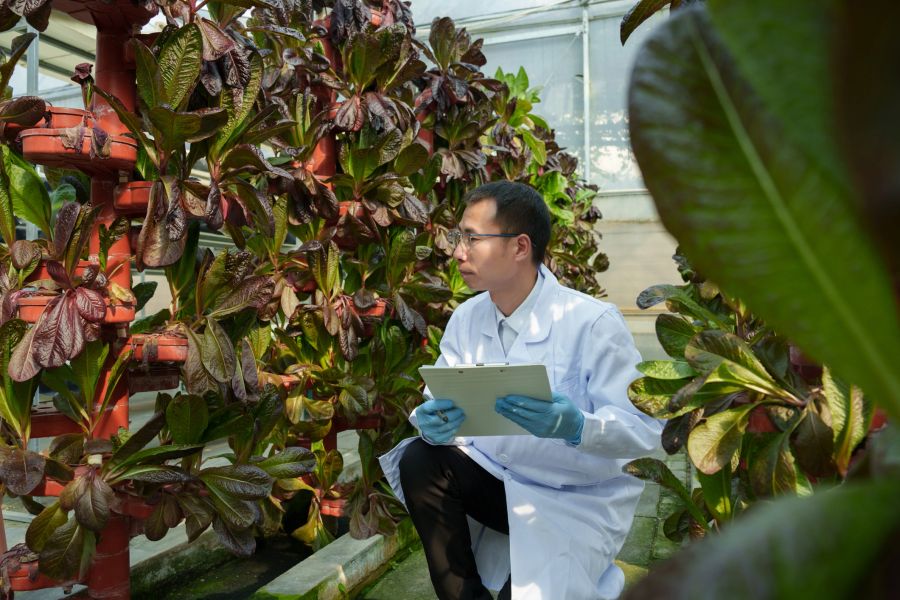
Field inspection reports document what was observed during a crop inspection and provide recommendations for the client. AI language tools can help agronomists structure these reports, convert field notes into professional prose, and ensure that key information is presented clearly.
The most effective approach is to take detailed field notes during the inspection — recording observations, measurements, and initial thoughts — and then use an AI tool to help draft the report from these notes. The agronomist reviews and refines the draft to ensure accuracy and to add professional judgement that the AI cannot provide.
AI-generated reports must be reviewed carefully before being sent to clients. Errors or omissions in agronomic reports can have significant consequences — a missed disease identification or an incorrect fertiliser recommendation could result in crop losses and professional liability for the agronomist.
Seasonal Summaries and Annual Reviews
Seasonal summaries and annual farm reviews provide clients with a broader perspective on their farm's performance and the agronomic factors that influenced it. These documents require the agronomist to synthesise information from multiple sources — weather data, yield records, soil test results, and field observations — into a coherent narrative.
AI tools can assist with structuring these documents, identifying key themes from the season's data, and drafting sections of the report. The agronomist's role is to provide the data, the professional interpretation, and the forward-looking recommendations that give the document its value.
Fertiliser and Spray Recommendations
Written fertiliser and spray recommendations are important professional documents that form the basis of the client's management decisions. They must be accurate, clearly written, and include appropriate caveats about the limitations of the recommendations.
AI tools can help with formatting and structuring recommendations, but the agronomic content must be generated by the agronomist based on their professional expertise and knowledge of the client's farm. AI-generated fertiliser rates or spray programs that have not been verified against current product labels, APVMA registrations, and Australian soil fertility guidelines are not appropriate to send to clients.
Professional Communication
Beyond formal reports, agronomists communicate with clients through emails, phone calls, and farm visits. AI tools can assist with drafting professional emails, preparing for client meetings, and developing educational content for client newsletters or social media.
Client newsletters and educational content can help agronomists demonstrate their expertise and stay top-of-mind with clients between farm visits. AI tools can help with generating ideas for topics, drafting content, and adapting technical information for a non-specialist audience.
Practice Management and Efficiency
Reducing the time spent on report writing and administrative tasks allows agronomists to spend more time on field work and client relationships — the activities that generate the most value. AI tools that help agronomists produce professional reports more quickly can improve both the quality of their service and the profitability of their practice.
Farm management platforms such as Agworld include reporting features that allow agronomists to generate field inspection reports and recommendations directly from their field records. These platforms can reduce the time required to produce reports by providing a structured template and pre-populating information from field records.
Stay informed
Get AI news every Friday
The AI Digest delivers the week's most important AI stories — free, in plain English.
Subscribe free →Related Articles
More Agriculture →
AI for Horticultural Market Access in Australia (2026)
How Australian horticulturists are using AI tools to improve market intelligence, meet retailer and export requirements, manage supply chain logistics, and access new markets.
AI Mistakes Horticulturists Should Avoid in Australia (2026)
The most common AI mistakes Australian horticulturists make — misidentifying pests and diseases, over-relying on automated systems, neglecting food safety compliance, and choosing tools not suited to their operation.
AI for Horticultural Pest and Disease Management in Australia (2026)
How Australian horticulturists are using AI tools for pest and disease identification, disease risk modelling, and integrated pest management to protect crops and reduce chemical use.