
AI for Wine Production in Australia (2026)
How Australian winemakers and vineyard owners are using AI tools to improve fermentation management, wine quality analysis, blending decisions, and winery operations.
AI in Australian Wine Production
Wine production involves a series of decisions — from harvest timing and fruit sorting through fermentation management, maturation, blending, and bottling — where data and analysis can improve consistency and quality. AI tools are being applied at several points in this process in Australian wineries.
Fermentation Monitoring and Management
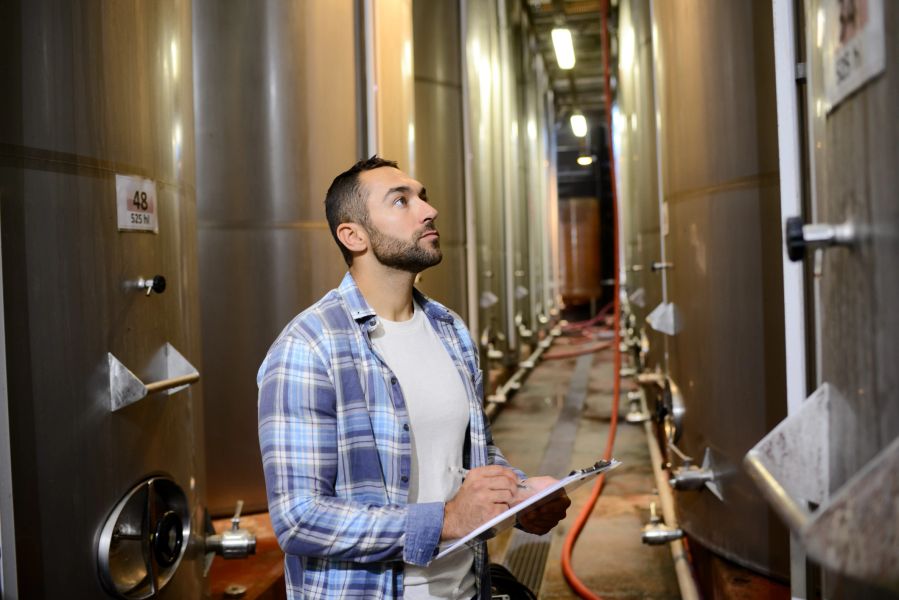
Fermentation is a critical stage in wine production where temperature, sugar consumption, and yeast health must be monitored closely. AI-assisted fermentation monitoring systems use sensors to track temperature, density, and CO2 production in real time, generating alerts when fermentation deviates from expected patterns.
Platforms such as Vinwizard and Vintrace include fermentation monitoring features that allow winemakers to track multiple ferments simultaneously and respond quickly to problems such as stuck fermentations or temperature excursions. These systems are particularly valuable in larger wineries where manual monitoring of all fermentation vessels is impractical.
Research published by the Australian Wine Research Institute (AWRI) has documented the relationship between fermentation management practices and wine quality outcomes. The AWRI's technical resources provide evidence-based guidance on fermentation management that is relevant to Australian conditions.
Wine Quality Analysis and Sensory Evaluation
Laboratory analysis of wine — measuring parameters such as alcohol, pH, titratable acidity, residual sugar, free and total SO2, and volatile acidity — provides objective data on wine composition. AI tools can assist with interpreting this data in the context of wine style targets and regulatory requirements.
The AWRI operates a commercial laboratory service and provides technical advice to Australian wine producers. Their WineCloud platform provides access to analytical data and technical resources.
Electronic nose and tongue technologies that use AI to analyse wine aroma and flavour profiles are being developed and used in research settings. Commercial applications in Australian wineries are limited at present, but the technology is advancing. Most Australian wineries continue to rely on trained sensory panels for wine quality evaluation.
Blending Support
Blending decisions — combining wines from different varieties, regions, or vintages — are among the most complex and consequential decisions in winemaking. AI tools can assist with modelling the predicted sensory and analytical outcomes of different blend combinations, based on the characteristics of the component wines.
Commercial blending software tools are available that allow winemakers to model blend scenarios and track the analytical parameters of blend components. These tools are most useful as a starting point for blending trials — the final decision requires sensory evaluation by experienced winemakers.
Winery Operations and Compliance
Australian wineries are required to maintain detailed production records for excise, export, and food safety compliance purposes. Winery management software such as Vintrace and Vinwizard automates much of this record-keeping, reducing the administrative burden and the risk of compliance errors.
The Australian Taxation Office requires wineries to maintain records of wine production, stock movements, and sales for wine equalisation tax (WET) purposes. AI-assisted accounting and winery management platforms can generate the reports required for WET compliance.
Export documentation requirements vary by destination market. Wine Australia provides guidance on export requirements and operates the Australian Wine Export Approval system. AI tools can assist with drafting export documentation, but the accuracy of the information must be verified against current regulatory requirements.
Cellar Door and Direct-to-Consumer Sales
Direct-to-consumer sales through cellar door and wine club channels are important revenue streams for many Australian wineries. AI tools can assist with customer relationship management, personalised wine recommendations, and marketing communications.
CRM platforms such as Commerce7 and WineDirect are used by Australian wineries to manage wine club memberships, track customer purchase history, and personalise communications. AI features within these platforms can suggest wines based on customer purchase history and preferences.
Stay informed
Get AI news every Friday
The AI Digest delivers the week's most important AI stories — free, in plain English.
Subscribe free →Related Articles
More Agriculture →
AI for Wine Business Marketing in Australia (2026)
How Australian vineyard owners and winemakers are using AI tools for wine marketing, cellar door promotion, export market development, and direct-to-consumer sales.
AI for Horticultural Market Access in Australia (2026)
How Australian horticulturists are using AI tools to improve market intelligence, meet retailer and export requirements, manage supply chain logistics, and access new markets.
AI Mistakes Horticulturists Should Avoid in Australia (2026)
The most common AI mistakes Australian horticulturists make — misidentifying pests and diseases, over-relying on automated systems, neglecting food safety compliance, and choosing tools not suited to their operation.