
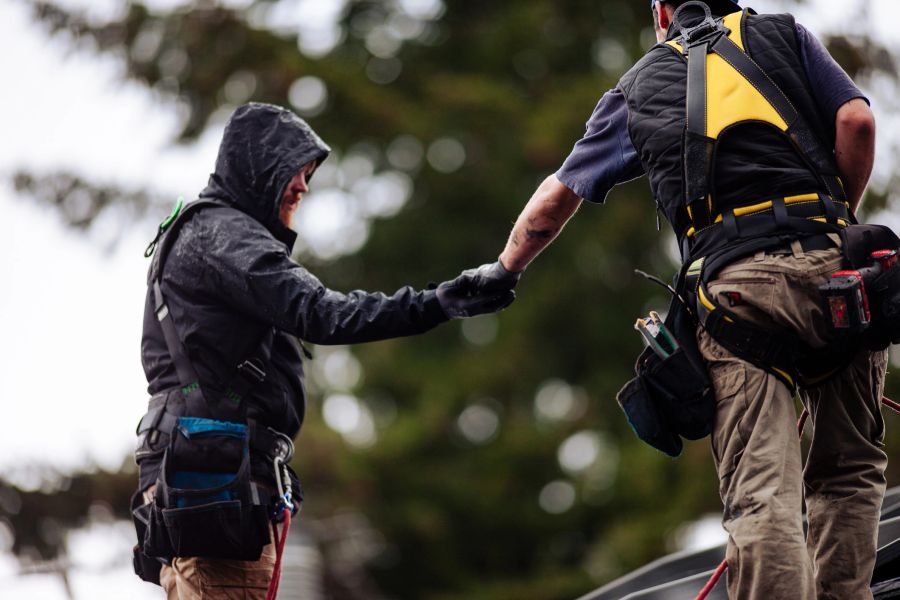
AI for Roofer Working at Heights Safety in Australia (2026)
How Australian roofers are using AI tools like SafetyCulture and Hammertech to manage working at heights SWMS, fall prevention documentation, rescue plans, and WHS compliance.
Working at heights is the primary safety risk for Australian roofers. Falls from roofs are one of the leading causes of serious injury and death in the Australian construction industry. AI tools are helping roofers manage their working at heights obligations more efficiently — but they cannot replace the need for proper training, equipment, and supervision.
The Regulatory Framework for Working at Heights
Australian roofers must comply with:
- Safe Work Australia's Code of Practice: Managing the Risk of Falls at Workplaces — This code of practice provides detailed guidance on fall prevention for roofing work
- State WHS legislation — Each state has specific requirements for working at heights
- AS/NZS 1891: Industrial fall-arrest systems and devices
- AS/NZS 4994: Temporary edge protection
Fall Prevention Hierarchy
The Safe Work Australia code of practice requires roofers to apply the hierarchy of controls for fall prevention:
- Eliminate the risk — Can the work be done without working at heights?
- Passive fall prevention — Scaffolding, edge protection, safety mesh
- Work positioning systems — Roof anchors, travel restraint systems
- Fall arrest systems — Harnesses, lanyards, inertia reels
- Administrative controls — SWMS, training, supervision
AI tools help roofers document their application of this hierarchy in SWMS and safety plans.
SafetyCulture (iAuditor) for Heights Safety
SafetyCulture is a widely used digital safety tool for managing working at heights in Australian construction. For roofers, it provides:
- Pre-start inspection checklists — Checking that edge protection, scaffolding, and fall arrest equipment is in place before work commences
- SWMS templates — Customisable SWMS templates for common roofing activities including tile replacement, metal roofing, guttering, and ridge capping
- Incident reporting — Immediate incident reporting from a mobile device, with photos and corrective actions
- Analytics — Tracking safety inspection completion rates and common hazards across multiple jobs
Hammertech for Subcontractor Safety Management
Hammertech is used by roofing contractors working on larger construction sites to manage subcontractor safety compliance, including SWMS sign-off, site inductions, and plant and equipment registers.
Using AI for Safety Documentation
ChatGPT is used by roofers for safety documentation tasks including:
- Drafting SWMS for common roofing activities as a starting point for review by a competent person
- Producing toolbox talk content for regular safety briefings
- Writing incident investigation reports
- Drafting safety communications for subcontractors and employees
Important: AI-generated SWMS must always be reviewed by a competent person with knowledge of the specific work activity and site conditions before being used. A SWMS is a legal document.
Rescue Plans
Working at heights regulations require roofers to have a rescue plan in place before commencing work. AI tools help roofers:
- Draft rescue plans for specific roofing activities
- Produce emergency contact lists and procedures
- Write post-incident reports
Training and Competency
All workers performing roofing work at heights must hold a current Working at Heights training certificate. AI tools help roofers:
- Track worker training records and expiry dates
- Draft communications to workers about training requirements
- Produce training schedules and reminders
Sources: Safe Work Australia (safeworkaustralia.gov.au), SafetyCulture (safetyculture.com), AS/NZS 1891 (standards.org.au), state WHS authorities
Fall Prevention Planning
Fall prevention planning is the most important safety activity for roofing businesses. A documented fall prevention plan for each job — identifying the specific fall hazards, the control measures to be used, and the emergency procedures — is both a legal requirement and a practical safety tool.
AI tools can help by generating fall prevention plan templates, creating site-specific hazard identification checklists, and drafting emergency response procedures. Always review and adapt AI-generated fall prevention plans to reflect the specific conditions of each job — a generic plan that doesn't reflect the actual site conditions is not compliant.
Safety Culture and Leadership
Building a strong safety culture in a roofing business requires more than documentation — it requires consistent leadership, open communication about safety concerns, and a genuine commitment to sending workers home safely every day. AI tools can help by generating safety leadership frameworks, creating toolbox talk templates, and drafting safety communication for workers and clients.
The most effective safety leaders in the roofing industry are those who make safety a normal part of every conversation — not just a compliance exercise. AI tools can help you communicate about safety more effectively, but the commitment to safety must come from you.
Getting Started with AI as a Roofer in Australia
The best way to begin is to identify one repetitive task that consumes significant time each week. For most roofers, that is either documentation, client communication, or research. Start with a free tool like ChatGPT or Google Gemini, and test it on a low-stakes task before rolling it out across your practice or business.
Once you are comfortable with the basics, consider tools purpose-built for your profession. ServiceM8, Tradify, and Simpro are used by Australian roofing contractors for quoting, job management, and insurance documentation. These platforms are designed with roofer workflows in mind and often integrate with the software you already use.
Practical Tips for Roofers Using AI
Start with prompts, not platforms. Before subscribing to any paid tool, spend time learning how to write effective prompts. A well-crafted prompt in a free tool will outperform a poorly used paid platform every time.
Keep Master Builders Australia and Safe Work Australia compliance front of mind. AI tools do not automatically know your professional obligations. Always review AI-generated content against your regulatory requirements before using it with clients or submitting it to any authority.
Use AI for drafts, not finals. The most effective roofers use AI to produce a first draft quickly, then apply their professional judgement to refine it. This approach saves time without sacrificing quality or accuracy.
Document your AI use. As AI becomes more common in professional settings, keeping a record of how and when you use it protects you if questions arise later. This is especially important in regulated professions.
Preparing a Storm Damage Report: A Practical Example
Consider a roofer who needs to draft a storm damage assessment report for an insurance claim on a residential property. Traditionally this might take an hour or more. With AI, the same task can be completed in fifteen to twenty minutes by using a structured prompt that includes the relevant context, the desired output format, and any specific requirements.
The result still needs professional review — but the time saving is significant. Across a working week, this kind of efficiency gain adds up to several hours that can be redirected to higher-value work or client-facing time.
The Bottom Line for Australian Roofers
Australian roofers who have adopted AI tools consistently report three main benefits: faster turnaround on routine tasks, improved consistency in documentation and communications, and more time available for the work that actually requires their expertise.
The key is to approach AI as a capable assistant rather than a replacement for professional judgement. Used this way, it becomes one of the most valuable tools available to any roofer operating in Australia today.
Stay informed
Get AI news every Friday
The AI Digest delivers the week's most important AI stories — free, in plain English.
Subscribe free →Related Articles
More Construction & Trades →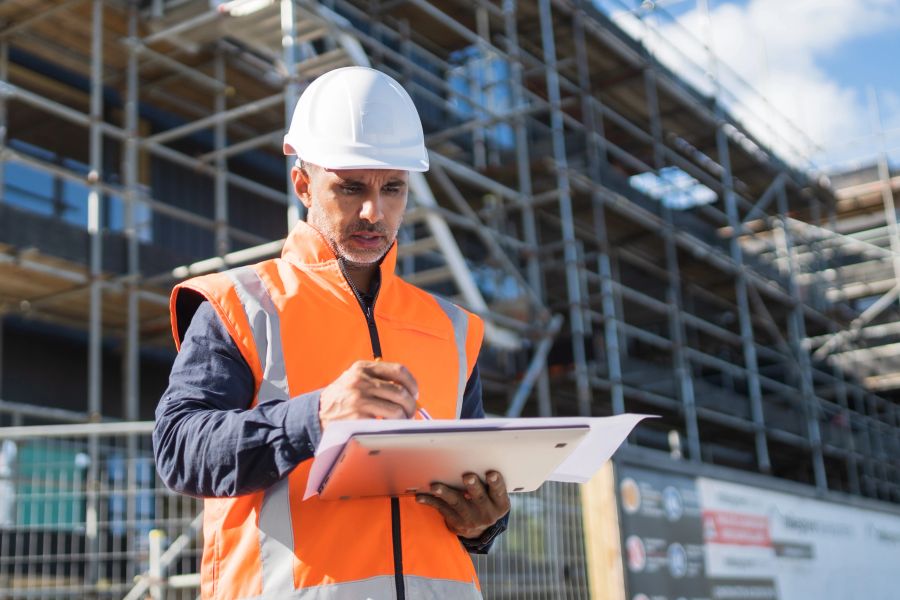
AI for Builder Site Safety in Australia (2026)
How Australian builders are using AI-powered safety tools like SafetyCulture and Hammertech to manage SWMS, site inductions, incident reporting, and WHS compliance.
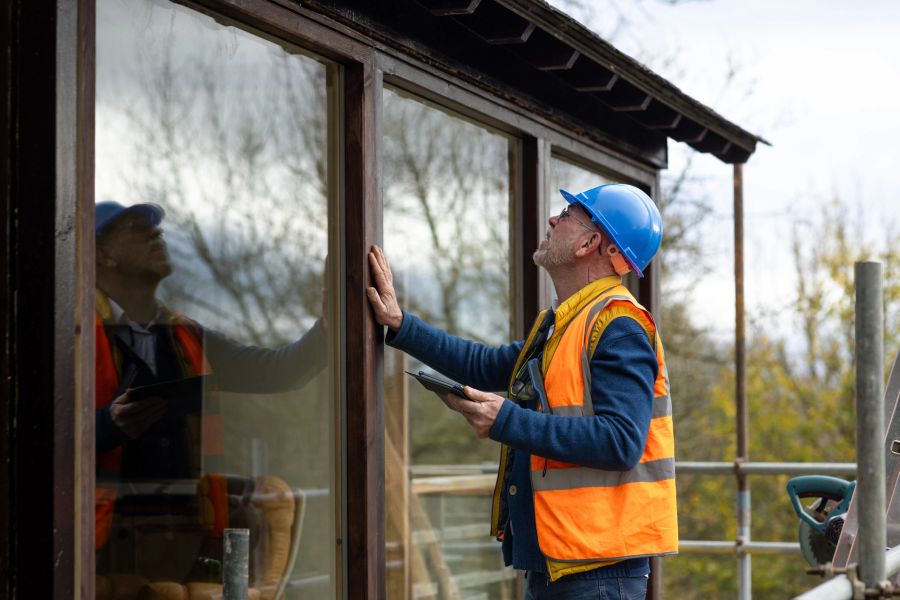
AI for Roofer Storm Damage and Insurance Work in Australia (2026)
How Australian roofers are using AI tools for storm damage assessment, insurance claim documentation, emergency repair records, and post-storm client communication.
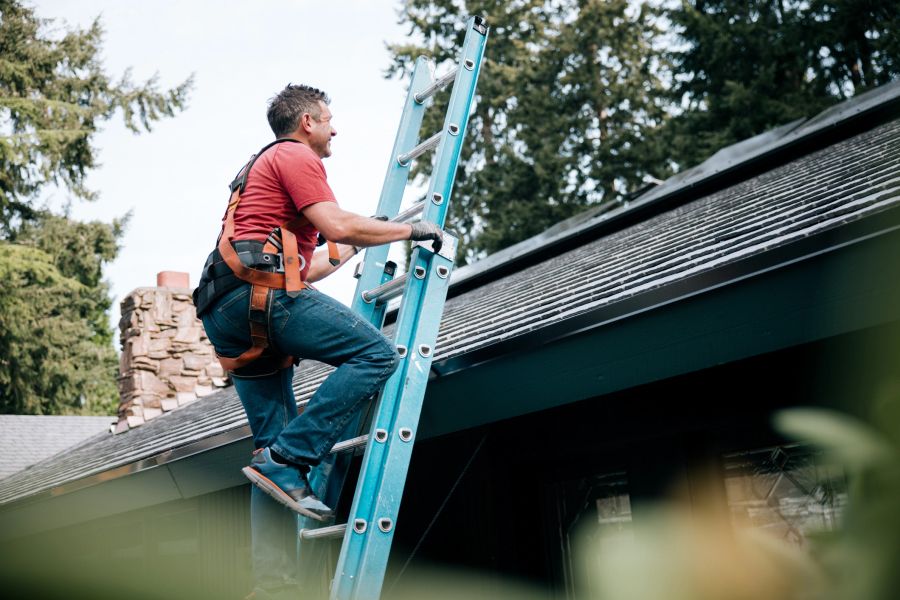
AI for Roofer Business Growth in Australia (2026)
How Australian roofers are using AI tools to grow their businesses — from Google Business Profile and storm marketing to Tradify job costing, maintenance programs, and Xero financial management.