
AI for Roofer Storm Damage and Insurance Work in Australia (2026)
How Australian roofers are using AI tools for storm damage assessment, insurance claim documentation, emergency repair records, and post-storm client communication.
Storm damage roofing work is one of the most significant revenue opportunities for Australian roofers — and one of the most administratively complex. Insurance claims, emergency repairs, and post-storm assessments all require specific documentation and communication. AI tools are helping roofers manage this work more efficiently.
The Storm Damage Roofing Market in Australia
Australia's climate produces frequent severe weather events — hailstorms, cyclones, and heavy rain — that cause significant roof damage. After major storm events, demand for roofing repairs surges, and roofers who can respond quickly and document damage professionally are well-positioned to win significant work.
Storm Damage Assessment
Nearmap
Nearmap provides high-resolution aerial imagery that is updated after major storm events. Roofers use Nearmap to assess storm damage across multiple properties quickly, identify the extent of damage, and prioritise their response. Nearmap is used by insurance assessors and roofing contractors to document pre- and post-storm roof conditions.
EagleView
EagleView provides aerial measurement and damage assessment reports used by insurance companies and roofing contractors. Its AI-assisted damage detection features can identify hail damage, missing tiles, and other storm damage from aerial imagery.
Drone Inspection
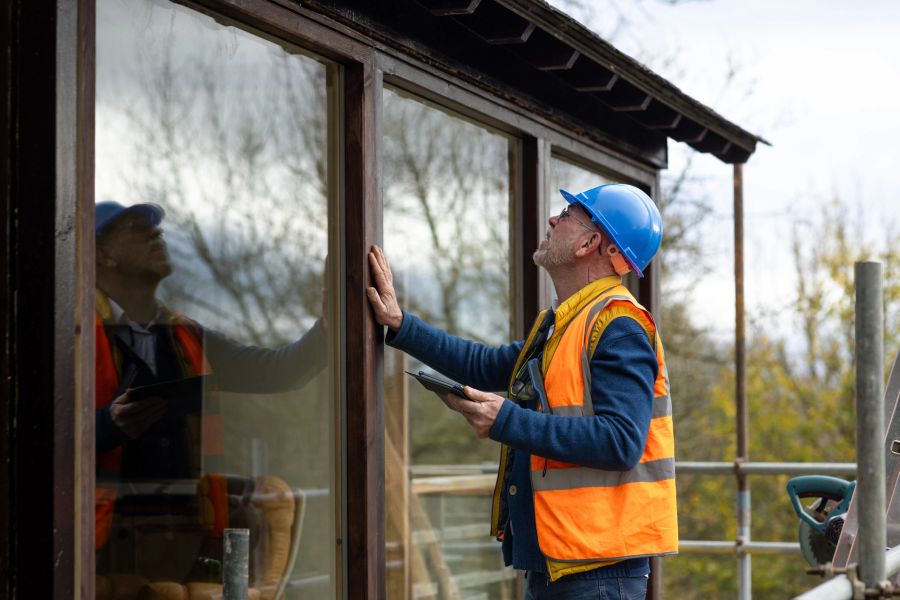
Many Australian roofing contractors now use drones to inspect roofs after storm events. Drone inspection allows roofers to assess damage safely without climbing onto potentially unstable roofs. AI-powered drone inspection software can automatically identify and classify damage from drone footage.
Insurance Claim Documentation
Storm damage roofing work often involves insurance claims. AI tools help roofers produce the documentation required by insurance companies:
ChatGPT is used to draft:
- Storm damage assessment reports that describe the damage identified, the cause, and the recommended repairs
- Scope of works documents that describe the repairs required in the format required by insurance companies
- Supplemental claim documents when additional damage is identified during repairs
- Communications to insurance assessors and loss adjusters
Important: Insurance claim documentation must accurately reflect the actual damage identified. AI tools should be used to help structure and communicate findings — not to fabricate or exaggerate damage.
Emergency Repair Documentation
After a storm, roofers often need to perform emergency temporary repairs to prevent further damage. AI tools help roofers document these repairs:
SafetyCulture (iAuditor) is used to document emergency repair work, including photos of the damage, the temporary repairs performed, and the safety measures implemented.
Tradify and ServiceM8 both include features for creating emergency job records quickly from a mobile device on site.
Working with Insurance Companies
ChatGPT is used by roofers to:
- Draft professional communications to insurance companies and loss adjusters
- Respond to requests for additional information or documentation
- Produce detailed scope of works documents in the format required by specific insurance companies
- Write dispute letters when insurance companies undervalue claims
Preventive Maintenance Programs
Storm damage roofing work creates an opportunity to develop ongoing maintenance relationships with clients. AI tools help roofers:
- Draft post-repair maintenance program proposals
- Produce annual inspection reminder emails
- Write maintenance reports that document the condition of the roof and recommend preventive work
Regulatory Considerations
Roofers performing insurance repair work must ensure that all repairs comply with the relevant Australian Standards and the NCC. Insurance companies may require evidence of compliance, particularly for structural repairs. AI tools can help roofers produce compliance documentation — but all technical decisions must be made by a qualified roofer.
Sources: Nearmap (nearmap.com), EagleView (eagleview.com), SafetyCulture (safetyculture.com), Insurance Council of Australia (insurancecouncil.com.au)
Working with Loss Adjusters
Loss adjusters are appointed by insurance companies to assess storm damage claims. Building a professional relationship with loss adjusters — and communicating clearly and professionally throughout the assessment process — can significantly improve claim outcomes for your clients and generate repeat referral work for your business.
AI tools can help by drafting professional correspondence to loss adjusters, creating damage assessment report templates, and generating follow-up communication frameworks. Clear, well-documented damage assessments that reference relevant Australian Standards and NCC requirements are more likely to be accepted by insurance companies.
Building an Insurance Repair Business
Storm damage insurance repair is a significant and growing market for Australian roofers. Building a reputation as a reliable, professional insurance repair contractor — through quality work, professional communication, and timely completion — generates significant referral work from insurance companies, loss adjusters, and satisfied clients.
AI tools can help by drafting capability statements for insurance company preferred supplier applications, creating quality management documentation, and generating client communication templates that demonstrate your professionalism throughout the repair process.
Getting Started with AI as a Roofer in Australia
The best way to begin is to identify one repetitive task that consumes significant time each week. For most roofers, that is either documentation, client communication, or research. Start with a free tool like ChatGPT or Google Gemini, and test it on a low-stakes task before rolling it out across your practice or business.
Once you are comfortable with the basics, consider tools purpose-built for your profession. ServiceM8, Tradify, and Simpro are used by Australian roofing contractors for quoting, job management, and insurance documentation. These platforms are designed with roofer workflows in mind and often integrate with the software you already use.
Practical Tips for Roofers Using AI
Start with prompts, not platforms. Before subscribing to any paid tool, spend time learning how to write effective prompts. A well-crafted prompt in a free tool will outperform a poorly used paid platform every time.
Keep Master Builders Australia and Safe Work Australia compliance front of mind. AI tools do not automatically know your professional obligations. Always review AI-generated content against your regulatory requirements before using it with clients or submitting it to any authority.
Use AI for drafts, not finals. The most effective roofers use AI to produce a first draft quickly, then apply their professional judgement to refine it. This approach saves time without sacrificing quality or accuracy.
Document your AI use. As AI becomes more common in professional settings, keeping a record of how and when you use it protects you if questions arise later. This is especially important in regulated professions.
Preparing a Storm Damage Report: A Practical Example
Consider a roofer who needs to draft a storm damage assessment report for an insurance claim on a residential property. Traditionally this might take an hour or more. With AI, the same task can be completed in fifteen to twenty minutes by using a structured prompt that includes the relevant context, the desired output format, and any specific requirements.
The result still needs professional review — but the time saving is significant. Across a working week, this kind of efficiency gain adds up to several hours that can be redirected to higher-value work or client-facing time.
The Bottom Line for Australian Roofers
Australian roofers who have adopted AI tools consistently report three main benefits: faster turnaround on routine tasks, improved consistency in documentation and communications, and more time available for the work that actually requires their expertise.
The key is to approach AI as a capable assistant rather than a replacement for professional judgement. Used this way, it becomes one of the most valuable tools available to any roofer operating in Australia today.
Stay informed
Get AI news every Friday
The AI Digest delivers the week's most important AI stories — free, in plain English.
Subscribe free →Related Articles
More Construction & Trades →
AI for Painter Lead Paint and Compliance in Australia (2026)
How Australian painters are using AI tools to manage lead paint identification, risk assessment documentation, client notifications, and WHS compliance for lead paint work.
AI Mistakes Roofers Should Avoid in Australia (2026)
The most common AI mistakes Australian roofers make — from using AI for safety assessments to unreviewed SWMS, insurance claim values, unverified measurements, and client privacy risks.
AI for Roofer Working at Heights Safety in Australia (2026)
How Australian roofers are using AI tools like SafetyCulture and Hammertech to manage working at heights SWMS, fall prevention documentation, rescue plans, and WHS compliance.