

AI for Retailers in Australia: The Complete Guide (2026)
A practical guide for Australian retailers on using AI to improve inventory management, personalise customer experiences, streamline operations, and compete more effectively in 2026.
Australian retail is under pressure from multiple directions: rising operating costs, shifting consumer expectations, and growing competition from online platforms. AI tools available in 2026 offer practical ways for retailers — from independent boutiques to multi-location chains — to operate more efficiently and serve customers better.
This guide covers what AI can realistically do for Australian retailers, which tools are worth considering, and how to approach implementation without disrupting your existing operations.
What AI Can Do for Australian Retailers
1. Inventory Management
Overstocking ties up capital; understocking loses sales. AI-powered inventory tools can analyse sales patterns, seasonal trends, and supplier lead times to suggest reorder points and quantities more accurately than manual methods.
Point-of-sale systems with built-in AI features — including Lightspeed and Shopify — can flag slow-moving stock, identify which products are frequently bought together, and generate reorder suggestions based on historical data.
2. Customer Personalisation
AI tools can analyse purchase history and browsing behaviour to surface relevant product recommendations. For retailers with an online presence, this is particularly valuable: personalised product recommendations have been shown in industry research to increase average order values.
Email marketing platforms with AI features — including Klaviyo and Mailchimp — can segment customer lists automatically and personalise email content based on past purchases and browsing behaviour.
3. Marketing and Content Creation
Writing product descriptions, social media posts, promotional emails, and advertising copy is time-consuming. AI writing tools can produce first drafts of all of these in minutes, which retailers then review and personalise.
Tools like ChatGPT, Claude, and Canva AI are widely used for retail marketing content. Canva AI is particularly useful for creating promotional graphics and social media assets without a graphic design background.
4. Customer Service
AI-powered chatbots can handle common customer enquiries — store hours, return policies, order status, product availability — around the clock. For retailers with an online store, this reduces the volume of repetitive enquiries that staff need to handle manually.
5. Pricing and Promotions
AI tools can analyse competitor pricing, demand patterns, and margin data to suggest pricing adjustments and promotional timing. This is more commonly used by larger retailers, but entry-level tools are becoming accessible to independent retailers through platforms like Shopify.
6. Visual Merchandising and Store Layout
Some AI tools can analyse foot traffic patterns and sales data by location within a store to suggest layout improvements. This is more relevant to larger format retailers, but the underlying data analysis is increasingly accessible through modern POS systems.
The Best AI Tools for Australian Retailers
Point of Sale and Inventory
- Shopify — A widely used e-commerce and POS platform with built-in AI features for inventory forecasting, product recommendations, and marketing automation. Shopify is used by a large number of Australian retailers.
- Lightspeed — A POS and inventory management platform with analytics and reporting features suited to independent and multi-location retailers.
- Square — POS system with inventory management and basic analytics. Popular with smaller Australian retailers.
Marketing and Customer Engagement
- Klaviyo — Email and SMS marketing platform with AI-powered segmentation and personalisation features. Widely used by Australian e-commerce retailers.
- Mailchimp — Email marketing with AI features for subject line optimisation and send-time recommendations.
- Canva AI — Design platform with AI tools for creating promotional graphics, social media content, and marketing materials.
Writing and Content
- ChatGPT (OpenAI) — Useful for drafting product descriptions, promotional emails, social media captions, and customer communication templates.
- Claude (Anthropic) — Strong for longer-form content and nuanced brand voice work.
Customer Service
- Tidio — AI chatbot for websites that handles common customer enquiries automatically.
- Gorgias — Customer service platform designed for e-commerce retailers, with AI features for automating responses to common enquiries.
Australian Context: What Retailers Need to Know
Privacy and Consumer Data
Australian retailers collecting customer data are subject to the Privacy Act 1988. Retailers with an annual turnover above $3 million are required to comply with the Australian Privacy Principles. Smaller retailers are generally exempt, but best practice applies regardless of size.
When using AI tools that process customer data — purchase history, email addresses, browsing behaviour — check where that data is stored and processed. Many consumer AI tools process data on overseas servers. Review the privacy policies of any tool you use and ensure your own privacy policy accurately describes how you collect and use customer data.
The Australian Competition and Consumer Commission (ACCC) has also published guidance on AI and consumer protection. Retailers using AI for pricing or recommendations should ensure these practices comply with Australian Consumer Law.
Buy Now Pay Later and Payment Integrations
Many Australian retailers offer buy now pay later options through providers including Afterpay and Zip. These platforms have their own AI-powered fraud detection and risk assessment tools built in. Retailers using these services benefit from this without needing to implement it separately.
Loyalty Programs
AI tools can make loyalty programs more effective by personalising rewards and communications based on individual customer behaviour. Platforms like Marsello and Loyalty Lion integrate with Shopify and other POS systems to provide AI-powered loyalty features.
Getting Started: A Practical Approach for Retailers
Start with your POS data. If you are already using Shopify, Lightspeed, or Square, explore the analytics and reporting features you may not be using. Many retailers have access to AI-powered insights through their existing tools without realising it.
Identify your biggest operational pain point. For most retailers, this is either inventory management (too much of the wrong stock, not enough of the right stock) or marketing (not enough time to create content consistently). Start with the area where AI can deliver the most immediate value.
Use AI for content creation. Writing product descriptions, promotional emails, and social media posts is a high-value, low-risk starting point. Use ChatGPT or Claude to generate first drafts, then review and personalise them to match your brand voice.
Be cautious with customer data. Only enter anonymised or aggregated data into general-purpose AI tools. For tools that process identifiable customer data, ensure they comply with Australian privacy requirements.
What AI Cannot Replace in Retail
AI tools are powerful assistants, but they have real limitations in a retail context.
Relationships with customers. The personal relationships that independent retailers build with their customers are a genuine competitive advantage that AI cannot replicate. AI can help you communicate more efficiently, but the human element of retail remains important.
Buying and merchandising judgment. AI can surface data and suggest reorder quantities, but the judgment calls involved in buying — understanding trends, knowing your customer base, reading the market — still require human expertise.
Staff management and culture. AI tools can assist with scheduling and communication, but building a strong retail team and culture is a fundamentally human task.
The Opportunity for Australian Retailers
The retailers who will benefit most from AI are those who use it to handle the repetitive, time-consuming tasks that take them away from serving customers and running their business. Inventory management, marketing content, and customer communication are the highest-value starting points for most Australian retailers.
The deep-dive guides in this series cover each major use case in detail — tools, prompts, workflows, and what to watch out for.
Stay informed
Get AI news every Friday
The AI Digest delivers the week's most important AI stories — free, in plain English.
Subscribe free →Related Articles
More Professions →
AI for Truck Drivers in Australia: The Complete Guide (2026)
A practical guide for Australian truck drivers on using AI to improve route planning, manage compliance obligations, reduce fatigue risk, and run a more efficient transport operation in 2026.
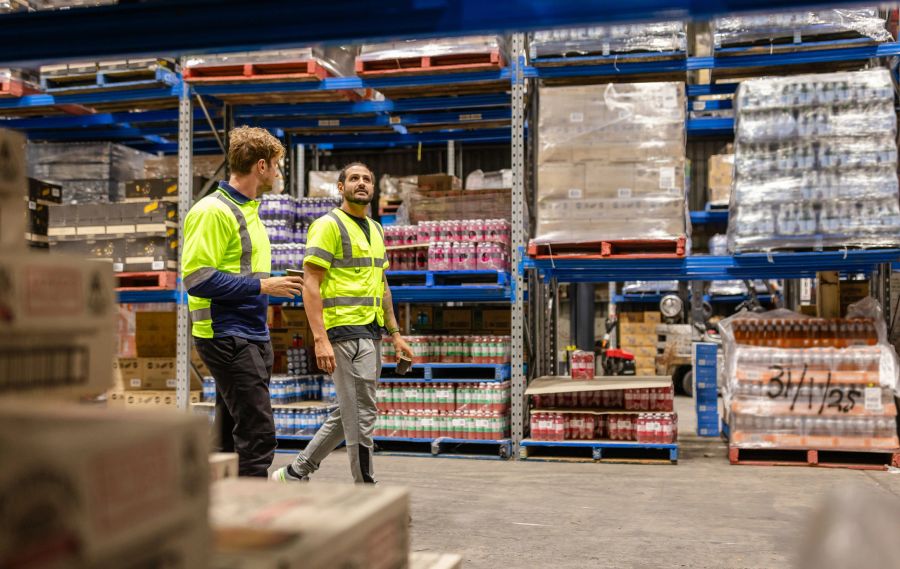
AI for Logistics Companies in Australia: The Complete Guide (2026)
A practical guide for Australian logistics companies on using AI to optimise supply chains, improve delivery performance, reduce costs, and compete more effectively in 2026.
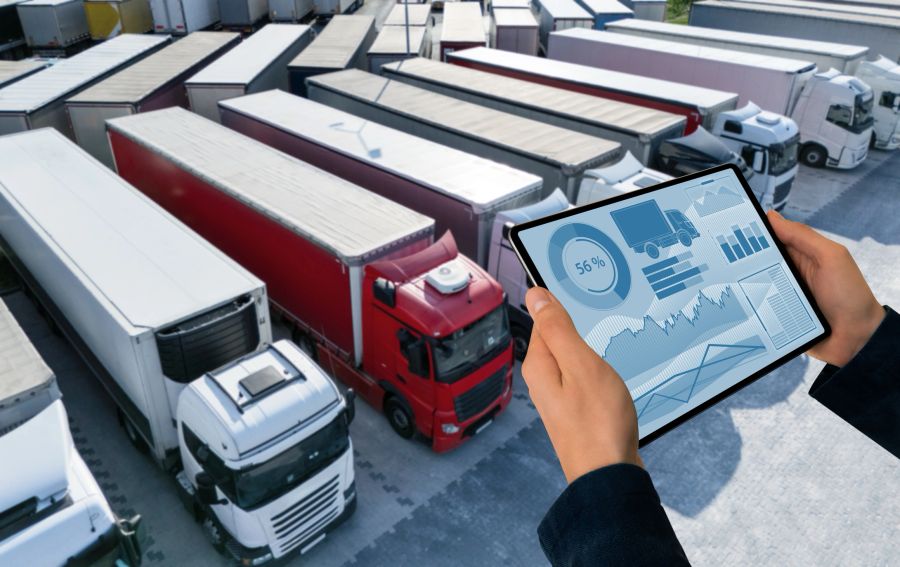
AI for Fleet Managers in Australia: The Complete Guide (2026)
A practical guide for Australian fleet managers on using AI to reduce vehicle downtime, improve driver safety, cut fuel costs, and manage compliance more efficiently in 2026.