
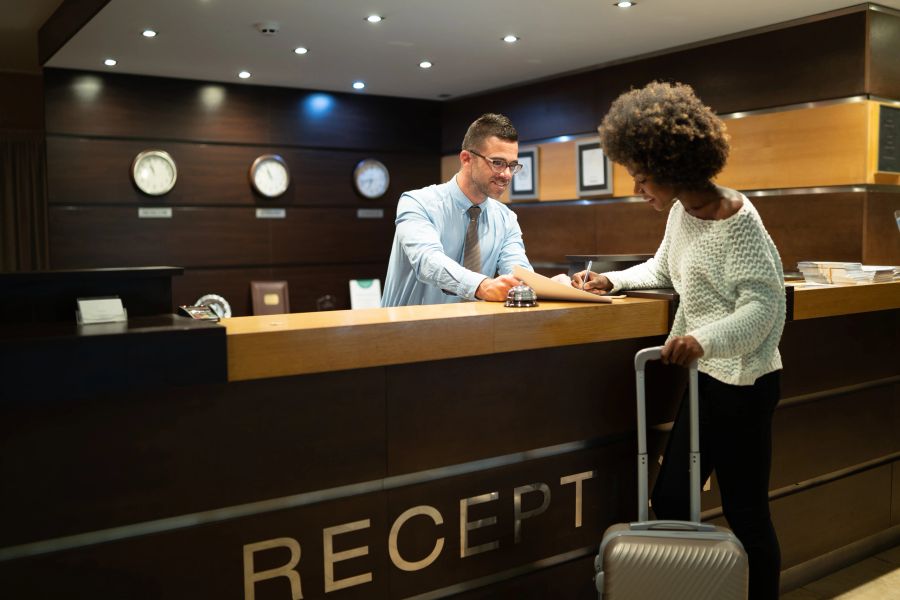
AI for Hotel Guest Experience in Australia (2026)
How Australian hotel managers are using AI to improve guest experience — personalisation, digital check-in, guest messaging, upselling, and review management.
Guest experience is the foundation of hotel success. In an industry where online reviews are visible to every potential guest and switching costs are low, hotels that consistently deliver exceptional guest experiences build the loyalty and reputation that drives long-term revenue. AI tools are helping hotel managers deliver more personalised, responsive, and consistent guest experiences at scale.
This guide covers how AI is being applied to hotel guest experience in Australia, what the tools can realistically deliver, and where the human element remains essential.
Pre-Arrival Personalisation
The guest experience begins before arrival, and AI tools are helping hotels make a strong first impression through personalised pre-arrival communications.
Revinate is a guest data platform that aggregates information from the hotel's PMS, loyalty program, and previous stay history to build a profile of each guest. Before arrival, Revinate can send personalised pre-arrival emails that reference the guest's previous stays, acknowledge their loyalty status, and offer relevant upgrades or add-ons based on their preferences.
For hotels with a CRM system, AI tools can identify guests who are celebrating a special occasion — a birthday, anniversary, or honeymoon — and trigger personalised communications or service gestures that make the stay feel special.
Pre-arrival upselling is one of the highest-return applications of AI in hotel guest experience. Canary Technologies and Oaky are platforms that use AI to identify guests who are likely to upgrade their room or purchase additional services, and send targeted offers at the optimal time before arrival. Hotels using these platforms typically report significant incremental revenue from pre-arrival upselling.
Digital Check-In and Contactless Services
Digital check-in — allowing guests to complete the check-in process on their smartphone before arriving at the hotel — has become a standard expectation for many travellers. AI tools are making digital check-in more seamless and more personalised.
Canary Technologies and Mews both offer digital check-in features that allow guests to complete the check-in process, select their room, and receive their room key digitally before arriving at the hotel. For hotels, digital check-in reduces front desk queues, improves staff efficiency, and provides an opportunity to upsell room upgrades and add-ons during the check-in process.
AI-powered identity verification — using facial recognition or document scanning to verify guest identity during digital check-in — is being adopted by some Australian hotels to improve security and reduce fraud risk.
Guest Messaging and Service Requests
Guests increasingly prefer to communicate with hotels via messaging rather than phone calls. AI-powered guest messaging platforms allow hotels to respond to guest requests quickly and consistently, regardless of the time of day or the volume of requests.
Zingle (now part of Medallia) and Whistle for Cloudbeds are guest messaging platforms that allow guests to communicate with hotel staff via SMS, WhatsApp, and in-app messaging. Their AI features include automated responses to common requests — directions to the hotel, Wi-Fi passwords, restaurant recommendations — and sentiment analysis that identifies guests who may be dissatisfied and need immediate attention.
For hotels with high message volumes, AI can handle routine requests automatically while escalating complex or sensitive requests to human staff. This allows hotel teams to focus their attention on the interactions that require genuine human judgment and empathy.
In-Stay Personalisation
AI tools are helping hotels personalise the in-stay experience based on guest preferences and behaviour. For hotels with smart room technology, AI can adjust room settings — temperature, lighting, entertainment preferences — based on the guest's previous stay history or stated preferences.
For food and beverage operations, AI can personalise dining recommendations based on the guest's dietary preferences, previous orders, and the time of day. A guest who ordered a vegetarian breakfast on their last stay can be offered vegetarian options proactively on their current stay.
Agilysys is a hospitality technology platform used by larger Australian hotels and resorts. Its AI features include personalised dining recommendations, activity scheduling, and spa booking optimisation.
Post-Stay Feedback and Recovery
Post-stay feedback is essential for identifying service failures and improving the guest experience over time. AI tools are helping hotels collect, analyse, and act on guest feedback more systematically.
Revinate and ReviewPro both offer post-stay survey tools with AI-powered sentiment analysis. These tools can identify the specific aspects of the guest experience that are driving satisfaction or dissatisfaction, and track trends over time.
For hotels that receive negative feedback, AI tools can help identify the root cause of service failures and prioritise the operational improvements that will have the greatest impact on guest satisfaction. A hotel that consistently receives negative feedback about room cleanliness, for example, can use this data to identify whether the issue is with housekeeping standards, staffing levels, or equipment.
Online Reputation Management
Online reviews on TripAdvisor, Google, and Booking.com are visible to every potential guest and have a significant impact on booking decisions. AI tools are helping hotel managers manage their online reputation more proactively.
ReviewPro and Revinate both aggregate reviews from multiple platforms and use AI to analyse sentiment, identify themes, and generate draft responses. For hotel managers who receive a high volume of reviews, these tools ensure that every review receives a timely, professional response.
AI-powered review analysis can also identify patterns in guest feedback that are not visible from individual reviews — for example, a consistent pattern of complaints about a specific room type, a particular staff member, or a specific time of day.
The Human Element
AI tools can personalise communications, automate routine service requests, and analyse guest feedback at scale — but they cannot replace the genuine warmth and attentiveness that defines exceptional hospitality. The most effective hotel guest experience strategies use AI to handle the systematic, data-driven aspects of guest experience management while investing the time saved in the human interactions that create memorable stays.
Stay informed
Get AI news every Friday
The AI Digest delivers the week's most important AI stories — free, in plain English.
Subscribe free →Related Articles
More Professions →
AI Mistakes Hotel Managers Should Avoid in Australia (2026)
The most common AI mistakes Australian hotel managers are making in 2026 — from over-relying on revenue management systems to mishandling guest data and over-automating guest communications.

AI for Hotel Marketing in Australia (2026)
How Australian hotel managers are using AI for marketing — direct booking campaigns, OTA optimisation, social media, email marketing, and reputation management.
AI for Hotel Revenue Management in Australia (2026)
How Australian hotel managers are using AI for revenue management — dynamic pricing, demand forecasting, channel optimisation, and RevPAR improvement.