
AI for Hotel Revenue Management in Australia (2026)
How Australian hotel managers are using AI for revenue management — dynamic pricing, demand forecasting, channel optimisation, and RevPAR improvement.
Revenue management — the practice of selling the right room to the right guest at the right price through the right channel — has been transformed by AI. What was once a manual process of analysing historical data and adjusting rates periodically is now a continuous, data-driven process that AI systems can manage in real time. Australian hotel managers who understand how to use these tools effectively have a significant competitive advantage.
This guide covers how AI is being applied to hotel revenue management in Australia, what the tools can realistically deliver, and what hotel managers need to understand to get the most from them.
How AI Revenue Management Works
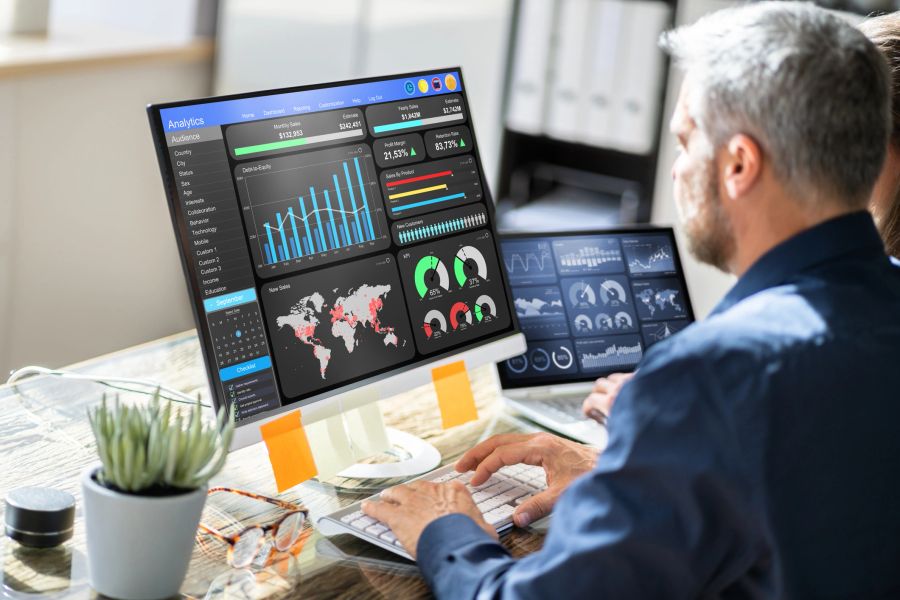
AI revenue management systems analyse large volumes of data — historical booking patterns, competitor pricing, local events, weather, economic indicators, and real-time demand signals — to forecast demand for each room type on each future date and recommend optimal pricing.
The core output of these systems is a recommended rate for each room type on each date, updated continuously as new data becomes available. A hotel manager can choose to accept these recommendations automatically, review them before applying, or override them when they have information the system does not — such as a large group booking that has not yet been confirmed, or a local event that is not yet reflected in the data.
The most important concept in AI revenue management is that the system is only as good as the data it has access to. A hotel that has been operating for less than two years, or one that has inconsistent historical data, will get less accurate recommendations than a hotel with a long, clean data history.
Dynamic Pricing
Dynamic pricing — adjusting room rates in real time based on demand — is the most visible application of AI in hotel revenue management. AI systems can adjust rates multiple times per day in response to changes in demand, competitor pricing, and booking pace.
For Australian hotels, dynamic pricing is particularly important during peak periods — school holidays, major events, and public holidays — when demand can be significantly higher than average. AI systems can identify these demand spikes earlier than manual analysis and adjust rates accordingly, capturing more revenue during high-demand periods.
Dynamic pricing also works in the other direction — reducing rates during low-demand periods to stimulate bookings and improve occupancy. The goal is not to maximise the rate for every booking, but to maximise total revenue across all bookings.
IDeaS Revenue Solutions and Duetto are the leading AI revenue management systems used by Australian hotels. Both systems integrate with the hotel's property management system (PMS) and channel manager to apply rate recommendations automatically across all distribution channels.
Demand Forecasting
Accurate demand forecasting is the foundation of effective revenue management. AI systems can forecast demand at a much more granular level than manual analysis — by room type, by day of week, by booking window, and by market segment.
This granularity allows hotel managers to make more precise pricing decisions. Rather than setting a single rate for all room types on a given date, an AI system can recommend different rates for different room types based on their individual demand patterns — for example, recommending a higher rate for suites on a weekend when suite demand is strong, while keeping standard room rates lower to drive occupancy.
Demand forecasting also informs decisions about group business. When a hotel is evaluating a group booking request, an AI system can forecast the displacement cost — the revenue that would be lost by accepting the group at the quoted rate rather than selling the rooms individually — and recommend a minimum acceptable rate for the group.
Channel Optimisation
Hotels sell rooms through multiple channels — their own website, online travel agencies (OTAs) like Booking.com and Expedia, global distribution systems (GDS), and direct corporate accounts. Each channel has different commission rates, different booking lead times, and different guest profiles.
AI systems can optimise channel mix — adjusting the availability and pricing of rooms across different channels to maximise net revenue after commissions. For example, a hotel might close availability on high-commission OTA channels when demand is strong and direct bookings are flowing, and open availability on those channels when demand is weak and the hotel needs to fill rooms.
SiteMinder is the most widely used channel manager in Australian hotels. It integrates with AI revenue management systems to apply rate and availability recommendations across all connected channels automatically.
Competitor Rate Intelligence
Understanding how your hotel's rates compare to competitors is essential for effective revenue management. AI tools can monitor competitor rates in real time and alert hotel managers when significant pricing changes occur.
OTA Insight and RateGain are rate intelligence platforms that track competitor pricing across OTAs and direct booking channels. Their AI features include rate parity monitoring — identifying when a hotel's rates are inconsistent across different channels — and competitive positioning analysis, which shows how a hotel's rates compare to its competitive set over time.
What Hotel Managers Need to Understand
AI revenue management systems are powerful tools, but they require active management to deliver their full potential. Hotel managers need to understand the assumptions underlying the system's recommendations, identify situations where the system's data is incomplete or incorrect, and override recommendations when they have better information.
The most common mistake is treating AI revenue management as a set-and-forget system. The best results come from hotel managers who engage actively with the system — reviewing recommendations regularly, providing feedback when overrides are made, and ensuring that the system has access to accurate, up-to-date data about the hotel's inventory, restrictions, and market position.
Stay informed
Get AI news every Friday
The AI Digest delivers the week's most important AI stories — free, in plain English.
Subscribe free →Related Articles
More Professions →
AI for Logistics Operations Management in Australia (2026)
How Australian logistics managers are using AI to improve operational efficiency — load planning, driver scheduling, fuel management, and real-time fleet visibility.

AI for Fleet Fuel Management in Australia (2026)
How Australian fleet managers are using AI to reduce fuel costs — idling analysis, route efficiency, driver coaching, fuel card monitoring, and consumption benchmarking.

AI for Warehouse Inventory Management in Australia (2026)
How Australian warehouse managers are using AI to improve inventory accuracy, reduce stockouts and overstock, automate cycle counts, and optimise storage layouts.