
AI for Horticulturists in Australia: The Complete Guide (2026)
A practical guide for Australian horticulturists on using AI to improve crop monitoring, pest and disease management, irrigation scheduling, market access, and horticultural business operations.
AI for Australian Horticulturists in 2026
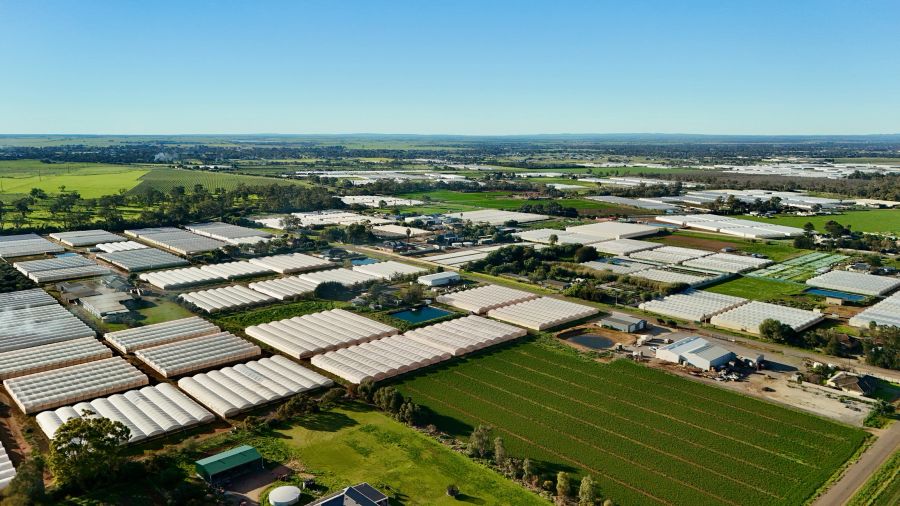
Australian horticulture encompasses a diverse range of industries — from tropical fruit production in Queensland and the Northern Territory to cool-climate apple and pear growing in Victoria and Tasmania, vegetable production across multiple states, and cut flower and nursery industries. AI tools are being applied across this diversity to address common challenges: managing crop health, optimising inputs, accessing markets, and running profitable horticultural businesses.
This guide covers the main areas where AI is being used in Australian horticulture, the tools available, and what horticulturists should consider before adopting new technology.
Crop Monitoring and Remote Sensing
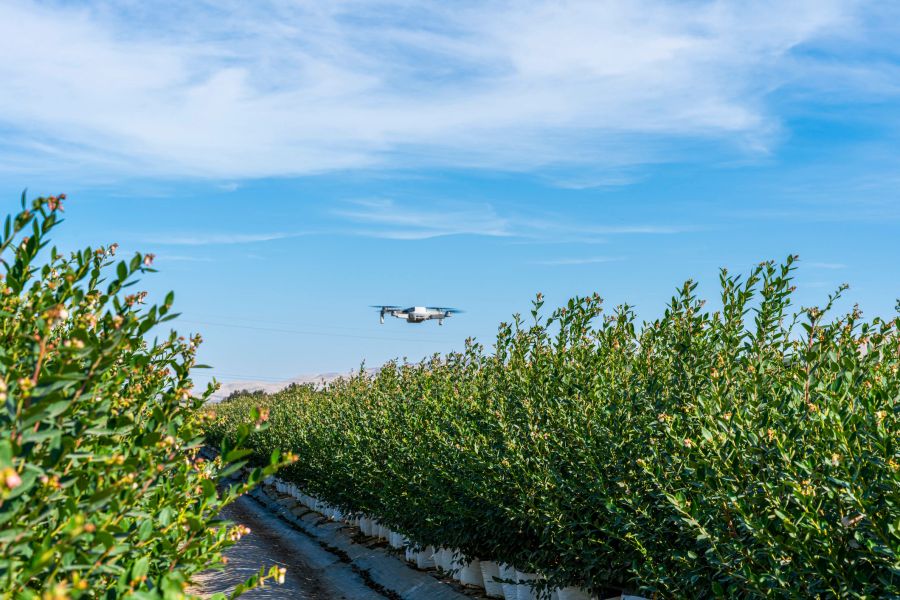
Remote sensing technology — satellite imagery, drone-mounted sensors, and ground-based monitoring systems — provides horticulturists with a way to monitor crop health across their growing areas more frequently and comprehensively than is possible with manual inspection alone.
AI algorithms analyse multispectral imagery to identify areas of crop stress, canopy variation, and potential disease or pest pressure. This information can be used to prioritise scouting efforts and identify problems earlier than visual observation alone.
Horticulture Innovation Australia (HIA) has funded research on the application of remote sensing and precision horticulture in Australian conditions. Their publications provide useful context for growers evaluating remote sensing tools.
Pest and Disease Management
Pest and disease management is one of the most significant challenges in Australian horticulture. AI tools are being applied to improve the accuracy and timeliness of pest and disease detection, and to support more targeted and effective management responses.
AI image recognition tools can assist with identifying pests and diseases from photographs taken in the field. Apps such as Plantix and Agrio cover a range of horticultural crops. However, as with all AI identification tools, the results should be verified against authoritative Australian identification resources before management decisions are made.
Disease risk models that use weather data to predict periods of high disease pressure are available for several important horticultural diseases, including fire blight in apples and pears, and various fungal diseases in vegetables. These models can help growers time fungicide applications more effectively.
Irrigation and Water Management
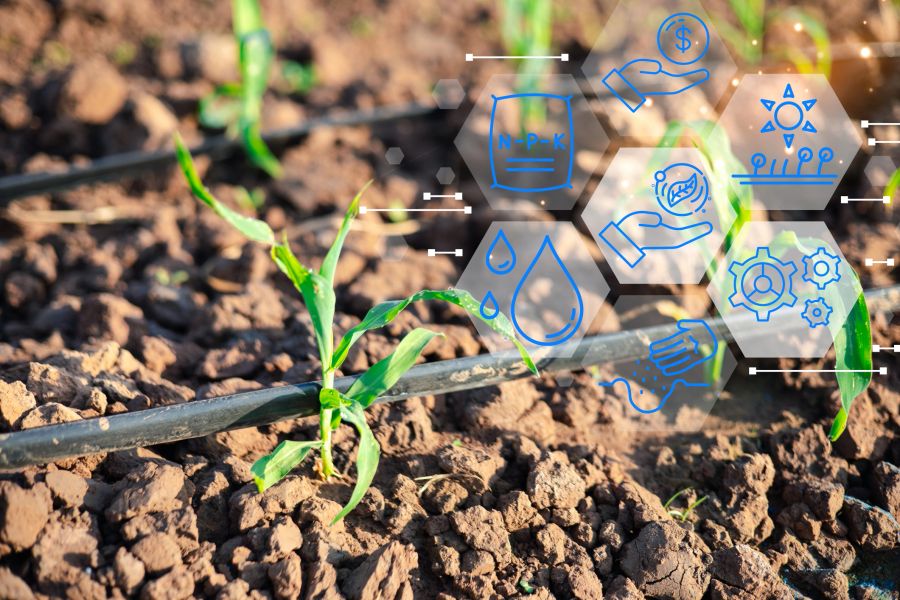
Water is a critical and often constrained resource in Australian horticulture. AI-assisted irrigation management systems use soil moisture sensors, weather data, and crop water use models to schedule irrigation more precisely than calendar-based approaches.
Precision irrigation can reduce water use while maintaining or improving crop quality and yield. The National Centre for Engineering in Agriculture (NCEA) and state-based agricultural departments have published research on precision irrigation in Australian horticultural systems.
Harvest and Post-Harvest Management
Harvest timing and post-harvest management are critical determinants of fruit and vegetable quality and shelf life. AI tools are being developed for automated harvest maturity assessment, sorting, and grading.
Computer vision systems for automated fruit grading — assessing size, colour, shape, and surface defects — are in commercial use in Australian packing sheds. These systems use AI to classify fruit and vegetables more consistently and at higher throughput than manual grading.
Market Access and Supply Chain
Australian horticulturists sell through multiple channels — wholesale markets, supermarket supply chains, food service, export, and direct-to-consumer. AI tools can assist with demand forecasting, supply chain planning, and market intelligence.
Horticulture Australia's market intelligence resources and state-based agricultural department publications provide market data relevant to Australian horticultural industries. AI tools can assist with analysing this data and identifying market trends.
Business Management
Running a horticultural business involves managing labour, inputs, compliance, and finances across a complex and variable production system. AI tools can assist with financial management, labour scheduling, compliance record-keeping, and business planning.
Cloud-based farm management platforms such as AgriWebb and Agrivi provide record-keeping, compliance, and reporting features relevant to horticultural operations. Cloud accounting platforms such as Xero provide financial management tools that can be integrated with farm management software.
Stay informed
Get AI news every Friday
The AI Digest delivers the week's most important AI stories — free, in plain English.
Subscribe free →Related Articles
More Agriculture →
AI for Vineyard Owners in Australia: The Complete Guide (2026)
A practical guide for Australian vineyard owners on using AI to improve vine health monitoring, yield prediction, irrigation management, pest and disease control, and wine business operations.
Best AI Tools for Horticulturists in Australia (2026)
The best AI tools for Australian horticulturists in 2026 — crop monitoring platforms, pest identification apps, irrigation management systems, grading technology, and farm business software.
AI for Horticultural Irrigation Management in Australia (2026)
How Australian horticulturists are using AI-assisted irrigation scheduling, soil moisture monitoring, and precision water management to improve crop quality and reduce water use.