
AI for Fleet Driver Safety in Australia (2026)
How Australian fleet managers are using AI to monitor driver behaviour, reduce at-fault incidents, manage fatigue risk, and build a stronger safety culture across their fleets.
Driver safety is the most consequential responsibility in fleet management. A serious vehicle incident can result in fatalities, life-changing injuries, significant legal liability, and reputational damage that takes years to recover from. For Australian fleet managers, the chain of responsibility provisions of the Heavy Vehicle National Law mean that safety obligations extend well beyond the driver — schedulers, employers, and operators all carry legal duties.
AI tools are being applied to driver safety in ways that were not possible a decade ago — monitoring driving behaviour in real time, detecting fatigue before it becomes dangerous, and providing targeted coaching that changes driver behaviour over time. This article covers what these tools can do, which ones are worth evaluating, and how to build a safety program that delivers measurable results.
The Safety Challenge for Australian Fleet Managers
Fatigue
Fatigue is the leading cause of heavy vehicle crashes in Australia. The NHVR's standard hours and basic and advanced fatigue management frameworks set minimum requirements, but compliance with work diary requirements does not guarantee a driver is not fatigued. Research consistently shows that fatigued people underestimate their own impairment — a driver who believes they are fit to drive may be significantly impaired.
Distraction
Mobile phone use while driving is a significant and growing safety risk. Despite legal prohibitions and significant penalties, distraction-related incidents remain common. In-cab camera systems can detect mobile phone use and other distraction behaviours in real time.
Speeding and Aggressive Driving
Speeding and aggressive driving — harsh braking, rapid acceleration, aggressive lane changes — increase crash risk and fuel consumption simultaneously. These behaviours are often habitual and require targeted coaching to change.
Chain of Responsibility
The CoR provisions of the HVNL mean that fleet managers who set unrealistic schedules, fail to maintain vehicles, or ignore known safety risks can be held liable for crashes involving their drivers. Documented safety management systems — including driver monitoring and coaching programs — are important evidence of due diligence.
AI Applications in Driver Safety
1. In-Cab Video Telematics
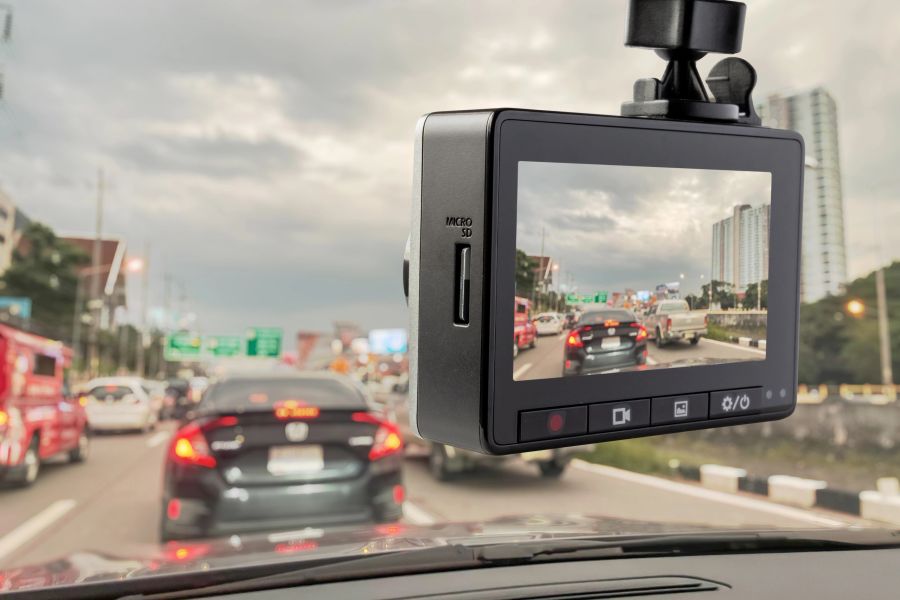
In-cab camera systems use AI to analyse video footage from cameras facing both the road ahead and the driver. AI algorithms detect:
- Distraction — driver looking away from the road, mobile phone use, eating or drinking
- Fatigue indicators — eye closure, head nodding, microsleeps
- Seatbelt non-compliance
- Harsh driving events — hard braking, rapid acceleration, sharp cornering
When a safety event is detected, the system can alert the driver immediately (via an audible warning or vibration), record the event for review, and notify the fleet manager.
Key platforms:
- Lytx DriveCam — AI-powered in-cab video telematics with machine vision analysis. One of the most widely deployed systems in Australian fleets.
- Samsara AI Dash Cam — Integrated with Samsara's fleet management platform. Provides real-time alerts and event-based video review.
- Teletrac Navman — In-cab camera options integrated with their fleet management platform.
- SmartDrive — Video-based safety program with AI event analysis and coaching workflow.
2. Fatigue Detection Technology
Beyond work diary compliance, AI fatigue detection systems monitor physiological indicators of fatigue in real time:
- Eye tracking — monitoring blink rate, eye closure duration, and gaze patterns
- Head position — detecting head nodding and drooping associated with microsleep
- Steering behaviour — detecting the irregular steering patterns associated with fatigue
Seeing Machines is an Australian company that provides AI-powered fatigue and distraction monitoring technology. Their systems are used in mining, transport, and rail operations in Australia and internationally. The technology uses infrared cameras to track eye and head position continuously, generating alerts when fatigue indicators are detected.
Guardian by Seeing Machines is their fleet-focused product, designed for integration with fleet management platforms.
3. Driver Behaviour Scoring
AI analysis of vehicle telemetry — speed, acceleration, braking, cornering — generates a driver safety score that can be used to:
- Identify high-risk drivers who need immediate intervention
- Track improvement over time following coaching
- Benchmark drivers against fleet averages and industry standards
- Recognise top performers — positive reinforcement is as important as corrective coaching
Most fleet management platforms — Samsara, Teletrac Navman, Geotab — include driver scoring features. The key is using the scores consistently as the basis for coaching conversations, not just generating reports that no one acts on.
4. Real-Time Driver Coaching
Some AI systems provide real-time coaching to drivers — an in-cab audio prompt when a safety event is detected. "Speeding detected — please reduce your speed." This immediate feedback is more effective at changing behaviour than a coaching conversation days after the event.
Real-time coaching must be implemented carefully — excessive alerts can be distracting and counterproductive. Configure alert thresholds to focus on the most significant safety events.
5. Route Risk Assessment
AI tools can assess the safety risk of planned routes — identifying high-risk road segments based on crash history, road geometry, and traffic patterns. This information can be used to brief drivers on specific hazards before departure and to identify routes that should be avoided for high-risk freight.
Building an Effective Driver Safety Program
Technology alone does not create a safe fleet. The most effective safety programs combine AI monitoring tools with a strong safety culture and consistent management follow-through.
Step 1: Establish a safety baseline
Before implementing new monitoring tools, establish a baseline of current safety performance — incident rates, near-miss reports, driver behaviour scores if available. This baseline allows you to measure the impact of your safety program over time.
Step 2: Communicate clearly with drivers
Driver monitoring programs can create anxiety and resistance if not introduced carefully. Communicate clearly with drivers about:
- What is being monitored and why
- How the data will be used (coaching, not punishment for minor events)
- What drivers can expect from the program
- Their privacy rights regarding the data collected
Involving driver representatives in the design of the program increases buy-in and identifies practical issues before they become problems.
Step 3: Use data for coaching, not just surveillance
The value of driver monitoring data is in the coaching conversations it enables — specific, evidence-based discussions about driving behaviour that lead to genuine improvement. A fleet manager who reviews safety scores weekly and has regular coaching conversations with drivers will see better safety outcomes than one who generates reports but never acts on them.
Step 4: Recognise and reward safe driving
Safety programs that focus exclusively on identifying and correcting unsafe behaviour miss an important lever — recognising and rewarding drivers with excellent safety records. Public recognition, performance bonuses, and career development opportunities for safe drivers reinforce the behaviours you want to see across the fleet.
Step 5: Review and improve
Review your safety program quarterly — are incident rates declining? Are driver scores improving? Are there patterns in the types of events being recorded? Use this analysis to refine your coaching approach and identify any systemic issues that need to be addressed.
Privacy and Legal Considerations
Driver monitoring systems collect personal data about drivers — location, behaviour, and potentially biometric data from fatigue detection systems. Australian fleet managers must comply with:
- Privacy Act 1988 — drivers must be informed about what data is collected, how it is used, and how long it is retained
- Workplace surveillance laws — state and territory laws regulate workplace surveillance; requirements vary by jurisdiction
- Fair Work Act — monitoring must not be used in ways that breach workplace rights
Consult with an employment lawyer before implementing driver monitoring programs, particularly those involving in-cab cameras or biometric data collection.
What AI Cannot Do for Driver Safety
Create a safety culture. A strong safety culture — where drivers feel comfortable raising safety concerns, where near-misses are reported and investigated, and where safety is genuinely valued over productivity — requires human leadership. AI tools support safety management; they cannot create the culture that makes safety programs effective.
Replace driver judgement. The most important safety decisions — whether to continue driving when fatigued, how to respond to a hazard, whether a load is safely restrained — require driver judgement. AI monitoring supports good decision-making; it does not replace it.
Guarantee compliance. Documented monitoring and coaching programs are important evidence of CoR due diligence, but they do not guarantee compliance. A fleet manager who monitors drivers but ignores the data, or who sets schedules that cannot be completed within legal hours, remains exposed to CoR liability.
Stay informed
Get AI news every Friday
The AI Digest delivers the week's most important AI stories — free, in plain English.
Subscribe free →Related Articles
More Professions →
AI for Warehouse Safety and Compliance in Australia (2026)
How Australian warehouse managers are using AI to improve safety outcomes and manage WHS compliance — forklift monitoring, PPE detection, racking inspection, and incident management.
AI for Truck Driver Route Optimisation in Australia (2026)
How Australian truck drivers and owner-operators are using AI-powered route planning tools to reduce fuel costs, avoid delays, and meet delivery windows more consistently.

AI for Truck Driver Compliance and Documentation in Australia (2026)
How Australian truck drivers are using AI to manage heavy vehicle compliance — electronic work diaries, mass management, fatigue records, and NHVR regulatory requirements.