
AI for Agronomists in Australia: The Complete Guide (2026)
A practical guide for Australian agronomists on using AI to improve crop scouting, soil health analysis, client reporting, precision recommendations, and agronomic practice management.
AI for Australian Agronomists in 2026
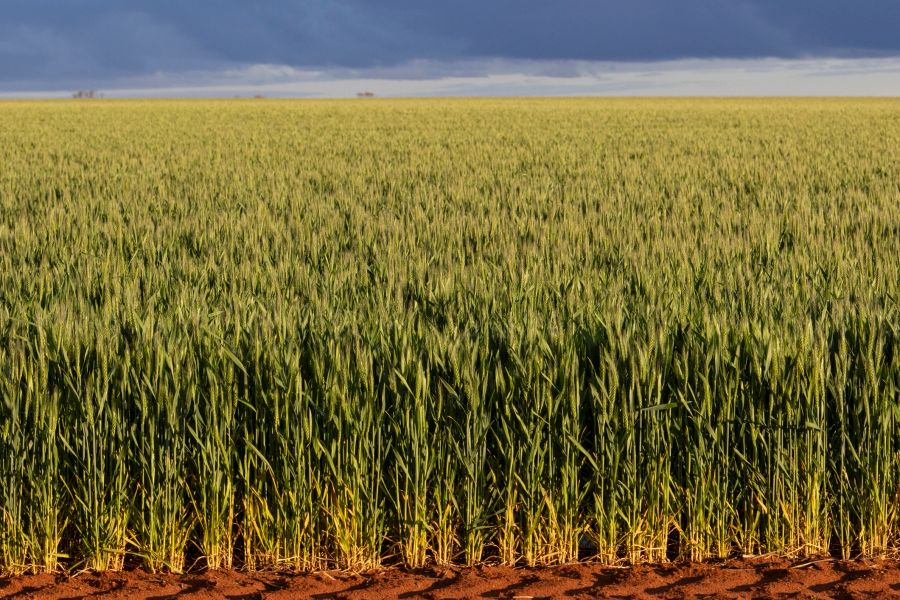
Australian agronomists provide advice across a wide range of cropping systems — from broadacre grain production in Western Australia and the Grains Belt to horticulture, cotton, sugar cane, and mixed farming systems across the country. AI tools are being applied across these systems to improve the quality and efficiency of agronomic advice.
This guide covers the main areas where AI is being used in Australian agronomy, the tools available, and what agronomists should consider when evaluating new technology.
Crop Scouting and Disease Identification
Crop scouting — physically inspecting crops to identify pest, disease, and weed problems — remains the foundation of agronomic advice. AI tools are now available that can assist with identifying diseases, pests, and nutrient deficiencies from photographs taken in the field.
Apps such as Plantix, Agrio, and Cropwise Protector use AI image recognition to identify crop diseases and pests from smartphone photos. These tools can provide a useful starting point for diagnosis, particularly for less common conditions or when working in unfamiliar crops. However, AI image recognition tools have limitations — they can misidentify conditions, particularly when image quality is poor or when multiple conditions are present simultaneously.
The Grains Research and Development Corporation (GRDC) and state-based agricultural departments publish identification guides and diagnostic resources that remain important references for Australian agronomists. AI tools should complement, not replace, these resources and the agronomist's own expertise.
Precision Agriculture and Variable Rate Technology
Precision agriculture uses spatial data to manage variability within paddocks — applying different rates of seed, fertiliser, or chemicals to different zones based on their specific characteristics and needs. AI tools are central to precision agriculture, analysing data from multiple sources to generate variable rate application maps.
Satellite imagery, drone data, yield maps, soil electrical conductivity surveys, and soil test data can all be integrated in AI-assisted precision agriculture platforms. Companies including The Yield, Agworld, and international platforms such as Climate FieldView and John Deere Operations Center provide precision agriculture tools used by Australian agronomists.
The GRDC has invested significantly in precision agriculture research in Australian conditions. Their PrecisionAg initiative has produced resources on the application of precision agriculture in Australian broadacre cropping that are relevant to agronomists working in this sector.
Soil Health Analysis and Recommendations
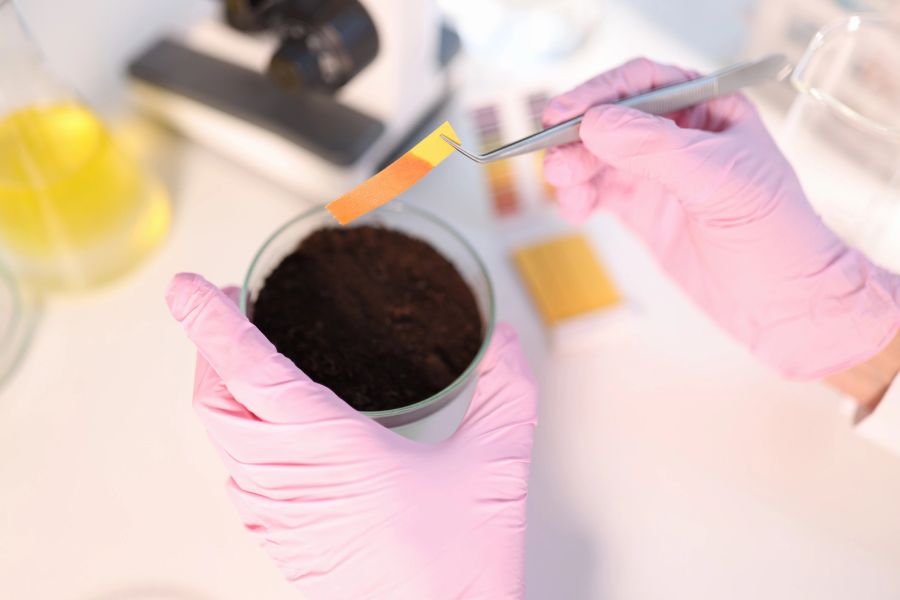
Soil health is the foundation of sustainable crop production. AI tools can assist with analysing soil test data, identifying nutrient deficiencies and imbalances, and developing fertiliser recommendations. However, fertiliser recommendations in Australian cropping systems are complex — they depend on crop type, yield target, soil type, rainfall zone, and economic factors.
AI-generated fertiliser recommendations should be reviewed against established Australian soil fertility guidelines, including those published by the GRDC, state agricultural departments, and fertiliser industry bodies. Agronomists remain responsible for the advice they provide to clients, regardless of whether it was generated with AI assistance.
Weather and Climate Analysis
Weather and climate are fundamental drivers of crop performance in Australia. AI tools can assist with analysing seasonal climate outlooks, modelling the impact of different weather scenarios on crop performance, and identifying periods of high disease or pest risk.
The Bureau of Meteorology's seasonal climate outlooks, combined with AI-assisted crop modelling tools, can help agronomists and their clients make better-informed decisions about planting timing, variety selection, and input investment.
Client Reporting and Communication
Agronomists spend significant time preparing reports, recommendations, and communications for clients. AI language tools can assist with drafting reports, summarising field observations, and preparing agronomic recommendations in a clear, accessible format.
AI-generated reports must be reviewed carefully for accuracy before being sent to clients. Agronomists remain professionally responsible for the advice they provide, and AI-generated content that contains errors or omissions could expose them to professional liability.
Practice Management
Managing an agronomic consulting practice involves scheduling, invoicing, record-keeping, and client relationship management. AI tools can assist with these administrative tasks, freeing up more time for field work and client advice.
Farm management platforms such as Agworld and Agrivi allow agronomists to manage client records, field observations, and recommendations in a single system. These platforms can also facilitate data sharing between agronomists and their clients.
Stay informed
Get AI news every Friday
The AI Digest delivers the week's most important AI stories — free, in plain English.
Subscribe free →Related Articles
More Agriculture →
AI for Vineyard Owners in Australia: The Complete Guide (2026)
A practical guide for Australian vineyard owners on using AI to improve vine health monitoring, yield prediction, irrigation management, pest and disease control, and wine business operations.

AI for Dairy Farmers in Australia: The Complete Guide (2026)
A practical guide for Australian dairy farmers on using AI to improve herd health monitoring, milk quality management, feed optimisation, and farm business efficiency in 2026.
AI for Soil Health Analysis for Agronomists in Australia (2026)
How Australian agronomists are using AI tools to analyse soil test data, identify nutrient deficiencies, develop precision fertiliser recommendations, and improve soil health advice.