
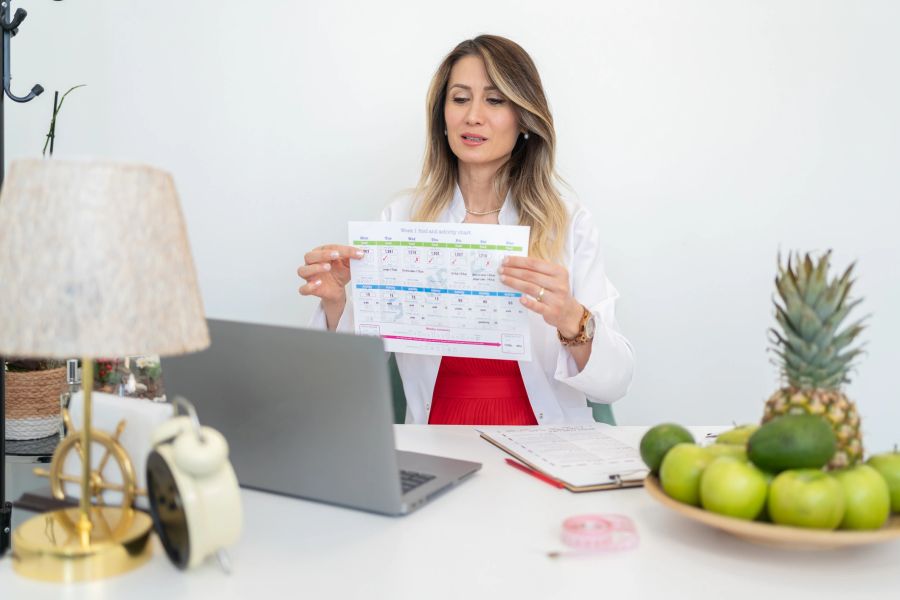
AI Mistakes Nutritionists Should Avoid in Australia (2026)
The most common AI mistakes Australian nutritionists are making — from inaccurate nutrient calculations to client data privacy violations — and how to use AI safely in your nutrition practice.
AI tools offer genuine value for Australian nutritionists and dietitians — but they also introduce new risks when used carelessly in clinical practice. The practitioners who benefit most from AI are those who understand both what these tools can do well and where they fall short. The mistakes below are the most common ones seen among nutrition practitioners adopting AI tools in 2026, and each one is avoidable with the right approach.
Mistake 1: Using AI-Generated Nutrition Content Without Clinical Review
The most serious mistake a nutrition practitioner can make with AI is delivering AI-generated dietary advice or meal plans to clients without thorough clinical review and personalisation. AI tools like ChatGPT and Claude can produce plausible-looking nutrition content — but they have no knowledge of your client's medical history, current medications, food allergies, cultural background, or the specific clinical context that shapes what is actually appropriate.
AI-generated meal plans can include foods that are contraindicated for specific conditions, inappropriate portion sizes for a client's energy requirements, or dietary patterns that conflict with current Australian clinical guidelines. A meal plan that looks reasonable on paper can cause harm or produce poor outcomes if it hasn't been reviewed by a qualified practitioner.
The rule is non-negotiable: AI drafts, the clinician decides. Every dietary recommendation delivered to a client must reflect your professional assessment of that individual — not just an AI output with your name on it.
Mistake 2: Treating AI Research Summaries as Authoritative
AI tools can produce confident-sounding summaries of nutrition research — but these summaries are frequently inaccurate, outdated, or based on misrepresented study findings. AI tools can fabricate citations, misquote study conclusions, and present outdated information as current evidence.
Using AI-generated research summaries to inform clinical recommendations without verifying the primary literature is a significant professional risk. If an AI tool tells you that a specific dietary intervention is supported by strong evidence, verify that claim by reading the actual studies before acting on it.
PubMed, Cochrane, and the Dietitians Australia evidence library remain the authoritative sources for clinical evidence. AI tools like Consensus and Elicit can help identify relevant literature — but always read the primary sources before drawing clinical conclusions.
Mistake 3: Entering Identifiable Client Health Information into Public AI Tools
General-purpose AI tools like ChatGPT and Claude are not designed for handling sensitive health information. When you enter a client's name, medical history, dietary assessment data, or other identifiable information into these tools, that data may be used to train future AI models depending on the platform's data handling policies.
Australian nutrition practitioners collecting and storing client health information are subject to the Privacy Act 1988 and the Australian Privacy Principles. Entering identifiable client data into public AI tools without appropriate consent and data handling safeguards may constitute a privacy breach — and could expose you to regulatory action from the Office of the Australian Information Commissioner.
Use de-identified information when seeking AI assistance with clinical tasks. Instead of entering a client's name and specific medical history, describe the clinical scenario in general terms: "A 52-year-old woman with type 2 diabetes and stage 3 CKD, currently on metformin. What dietary considerations are relevant for this combination of conditions?" The AI produces equally useful output without the privacy risk.
Mistake 4: Producing Nutrition Content That Exceeds Your Scope of Practice
The ease with which AI tools can generate detailed dietary advice creates a risk that practitioners — particularly those who are nutritionists rather than APDs — may produce content that exceeds their scope of practice. Therapeutic nutrition advice for specific medical conditions is within the scope of APDs but not necessarily within the scope of all nutritionists.
Using AI to generate therapeutic dietary recommendations for conditions like kidney disease, eating disorders, or complex metabolic conditions does not change the scope of practice obligations involved. If the content would be outside your scope to write yourself, it is outside your scope to produce with AI assistance.
Be clear about your scope of practice when producing AI-assisted content. If you are uncertain whether specific content is within your scope, consult Dietitians Australia's scope of practice guidance or seek advice from a senior colleague.
Mistake 5: Publishing Generic AI Content Without Professional Voice
AI tools can produce nutrition content quickly — but unedited AI content is often generic, occasionally inaccurate, and easy for experienced readers to identify as machine-generated. Publishing AI-generated social media posts, blog articles, or client education materials without editing them to reflect your clinical expertise and professional voice undermines your credibility.
Clients choose nutrition practitioners based on trust in their expertise and approach. Generic AI content that could have been produced by any practitioner anywhere doesn't build that trust. Use AI to draft content, then edit it to add your clinical perspective, reference current Australian guidelines, and reflect your specific approach to nutrition care.
Mistake 6: Neglecting Professional Indemnity Considerations
Using AI tools in clinical practice introduces new considerations for professional indemnity insurance. Check with your insurer about any requirements or exclusions related to AI-assisted clinical services. Some insurers may have specific requirements around documentation of how AI tools are used in client-facing work.
Dietitians Australia's professional indemnity insurance scheme covers members for clinical practice — but the use of AI tools in that practice should be documented and disclosed appropriately. Keep records of how AI tools are used in your practice, particularly for clinical documentation and client-facing content.
Mistake 7: Failing to Stay Current with AI Tool Capabilities and Limitations
AI tools are evolving rapidly, and the capabilities and limitations of specific tools change frequently. A tool that was unreliable for a specific task six months ago may have improved significantly; a tool that was reliable may have changed its data handling policies or introduced new limitations.
Staying current with the AI tools you use in practice is a professional responsibility. Follow updates from tool providers, engage with professional networks to learn from colleagues' experiences, and review your AI-assisted workflows regularly to ensure they remain appropriate and effective.
Stay informed
Get AI news every Friday
The AI Digest delivers the week's most important AI stories — free, in plain English.
Subscribe free →Related Articles
More Professions →
AI Mistakes Truck Drivers Should Avoid in Australia (2026)
The most common AI mistakes Australian truck drivers make — over-relying on navigation apps, ignoring compliance obligations, and using tools that don't account for heavy vehicle restrictions.

AI Mistakes Logistics Companies Should Avoid in Australia (2026)
The most common AI mistakes Australian logistics companies make — poor data quality, over-automating customer interactions, ignoring driver input, and choosing tools that don't integrate with existing systems.

AI Mistakes Fleet Managers Should Avoid in Australia (2026)
The most common AI mistakes Australian fleet managers make — over-relying on telematics alerts, ignoring driver privacy concerns, poor data integration, and choosing tools that don't scale.