
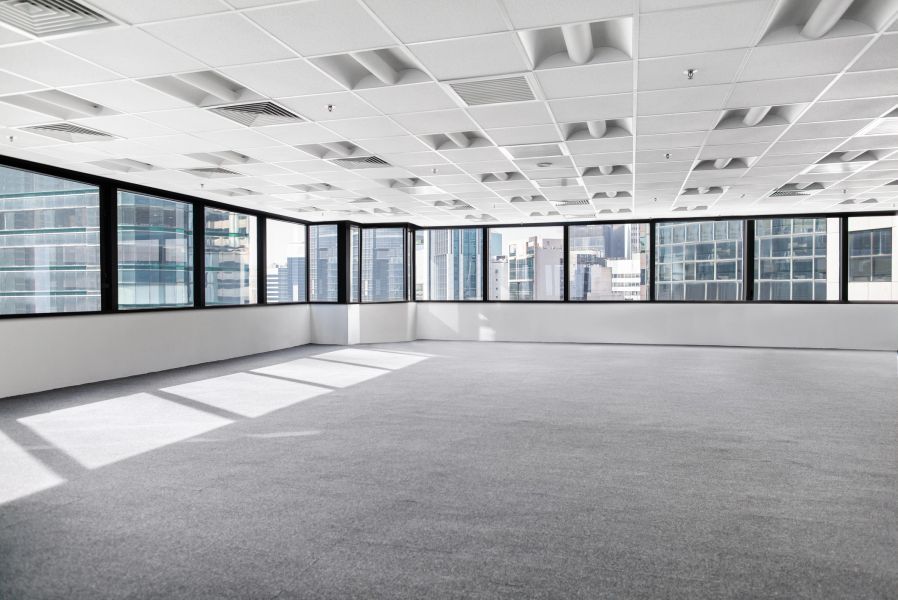
AI for Commercial Tiling in Australia (2026)
How Australian commercial tilers are using AI tools to win tenders, produce technical specifications, manage compliance with AS 4586 slip resistance requirements, and handle large projects.
Commercial tiling in Australia spans a wide range of applications — retail floors, office lobbies, hospitality venues, healthcare facilities, and industrial spaces. Commercial tiling projects are typically larger, more complex, and more demanding in terms of compliance and documentation than residential work. AI tools are making it easier to manage the documentation, compliance, and business aspects of commercial tiling.
Compliance Requirements for Commercial Tiling
Commercial tiling in Australia must comply with the National Construction Code, Australian Standards for tiling and waterproofing, and in some cases, industry-specific standards for healthcare, food service, and industrial environments.
Key compliance requirements for commercial tiling include: slip resistance (AS 4586), tile adhesion and installation (AS 3958), waterproofing in wet areas (AS 4858), and accessibility requirements under the Disability Discrimination Act and the NCC. AI tools can help by summarising compliance requirements for specific commercial applications, generating compliance checklists, and drafting documentation that demonstrates compliance.
Quoting Commercial Tiling Projects
Commercial tiling quotes are typically more complex than residential quotes, covering larger areas, more complex layouts, and more detailed compliance and documentation requirements. AI tools can help by drafting comprehensive scope-of-work descriptions, generating quote templates that cover all cost components, and creating terms and conditions appropriate for commercial contracts.
Key elements of a commercial tiling quote include: scope of work, tile specifications, substrate preparation, waterproofing, slip resistance compliance, inclusions and exclusions, payment terms, and programme.
Project Management and Documentation
Commercial tiling projects require more formal project management and documentation than residential work. AI tools can help by generating project management frameworks, creating inspection and test plan templates, and drafting project update reports for clients and project managers.
Procore is a construction project management platform used by many Australian commercial construction companies. Tiling subcontractors working on commercial projects may be required to use Procore for document management, safety reporting, and project communication.
Tendering for Commercial Work
Winning commercial tiling work requires professional tender submissions that demonstrate your capability, compliance, and quality management. AI tools can help by drafting tender cover letters, writing capability statements, and creating company profiles that highlight your experience with commercial projects.
Key elements of a commercial tiling tender include: company capability statement, relevant project experience, quality management approach, safety management documentation, insurance certificates, and licensing details.
Building Relationships with Commercial Clients
Long-term relationships with builders, project managers, and facility managers are the foundation of a successful commercial tiling business. AI tools can help by drafting professional follow-up communications, creating client satisfaction survey templates, and generating capability statements that showcase your commercial tiling expertise.
Slip Resistance Compliance
Slip resistance is a critical compliance requirement for commercial tiling in Australia. AS 4586 specifies the classification system for slip resistance, and the NCC sets minimum slip resistance requirements for different commercial environments — wet areas, ramps, stairs, and external surfaces all have specific requirements.
AI tools can help by summarising slip resistance requirements for specific commercial applications, generating compliance checklists, and drafting documentation that demonstrates compliance. Always verify AI-generated slip resistance information against the current AS 4586 and NCC — requirements vary by application and have been updated in recent NCC editions.
Working with Architects and Interior Designers
Commercial tiling projects often involve working with architects and interior designers who specify tile products and layouts. AI tools can help you communicate professionally with these stakeholders by drafting technical correspondence, preparing for design review meetings, and creating RFI (Request for Information) documents that clearly articulate technical questions about tile specifications and installation requirements.
Sources: Standards Australia — AS 3958, AS 4586, AS 4858 (standards.org.au); National Construction Code (ncc.gov.au); Safe Work Australia (safeworkaustralia.gov.au); Master Builders Australia (masterbuilders.com.au).
Getting Started with AI as a Tiler in Australia
The best way to begin is to identify one repetitive task that consumes significant time each week. For most tilers, that is either documentation, client communication, or research. Start with a free tool like ChatGPT or Google Gemini, and test it on a low-stakes task before rolling it out across your practice or business.
Once you are comfortable with the basics, consider tools purpose-built for your profession. ServiceM8, Tradify, and Fergus are used by Australian tilers for quoting, job management, and client communication. These platforms are designed with tiler workflows in mind and often integrate with the software you already use.
Practical Tips for Tilers Using AI
Start with prompts, not platforms. Before subscribing to any paid tool, spend time learning how to write effective prompts. A well-crafted prompt in a free tool will outperform a poorly used paid platform every time.
Keep Master Builders Australia and Safe Work Australia compliance front of mind. AI tools do not automatically know your professional obligations. Always review AI-generated content against your regulatory requirements before using it with clients or submitting it to any authority.
Use AI for drafts, not finals. The most effective tilers use AI to produce a first draft quickly, then apply their professional judgement to refine it. This approach saves time without sacrificing quality or accuracy.
Document your AI use. As AI becomes more common in professional settings, keeping a record of how and when you use it protects you if questions arise later. This is especially important in regulated professions.
Preparing a Tiling Quote: A Practical Example
Consider a tiler who needs to draft a detailed quote for a bathroom tiling project including waterproofing and grout selection. Traditionally this might take an hour or more. With AI, the same task can be completed in fifteen to twenty minutes by using a structured prompt that includes the relevant context, the desired output format, and any specific requirements.
The result still needs professional review — but the time saving is significant. Across a working week, this kind of efficiency gain adds up to several hours that can be redirected to higher-value work or client-facing time.
The Bottom Line for Australian Tilers
Australian tilers who have adopted AI tools consistently report three main benefits: faster turnaround on routine tasks, improved consistency in documentation and communications, and more time available for the work that actually requires their expertise.
The key is to approach AI as a capable assistant rather than a replacement for professional judgement. Used this way, it becomes one of the most valuable tools available to any tiler operating in Australia today.
Stay informed
Get AI news every Friday
The AI Digest delivers the week's most important AI stories — free, in plain English.
Subscribe free →Related Articles
More Construction & Trades →
AI for Commercial Painting in Australia (2026)
How Australian commercial painters are using AI tools to win tenders, manage projects, produce compliance documentation, and handle strata and industrial painting work.
AI for Tiler Bathroom Tiling in Australia (2026)
How Australian tilers are using AI tools for waterproofing compliance documentation, tile specification, client communication, and quoting bathroom tiling projects.
AI for Builders in Australia: The Complete Guide (2026)
How Australian residential builders are using AI in 2026 — from estimating and project management to client communication, site safety, and compliance documentation.