
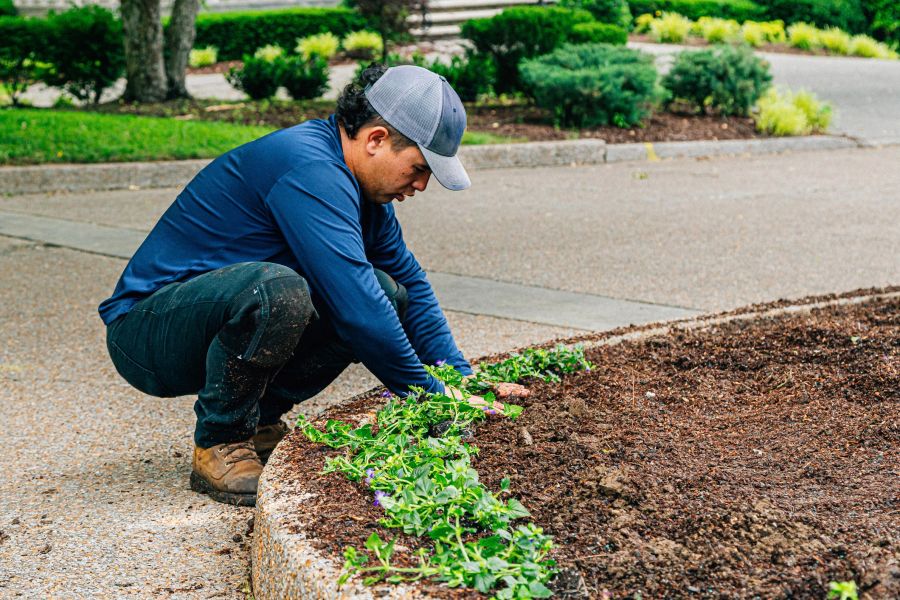
AI for Landscapers in Australia: The Complete Guide (2026)
How Australian landscapers are using AI in 2026 — from Tradify quoting and SketchUp design to ChatGPT client communications, PlantNet identification, and SafetyCulture safety management.
Landscaping is a skilled trade that combines horticultural knowledge, design expertise, and business management. Australian landscapers who run their own businesses face the same challenges as any small business owner — quoting, compliance, client communication, and business development — on top of the technical demands of the trade. AI tools are making it easier to manage the business side of landscaping, freeing up time for the skilled work that earns the money.
Quoting and Estimating
Accurate quoting is critical for landscaping businesses. The cost of landscaping work depends on site conditions, plant selection, materials, irrigation requirements, and labour — all of which need to be estimated accurately to quote profitably. Underquote and you lose money; overquote and you lose the job.
AI tools like ChatGPT and Claude can help by drafting professional quote documents, writing scope-of-work descriptions, and creating terms and conditions. For estimating, ServiceM8 and Tradify include quoting tools that can help structure your pricing. Always review AI-generated quote documents carefully before sending.
Design and Client Communication
Landscape design is a key differentiator for landscaping businesses. AI tools can help by drafting design briefs, creating plant selection guides, and generating client communication templates that explain design concepts clearly. Canva is useful for creating visual mood boards and design presentations that help clients visualise the finished result before work begins.
ChatGPT can help you research plant species suitable for specific Australian climates and conditions, generate planting guides for clients, and draft maintenance schedules for completed landscapes.
Compliance and Safety
Landscaping in Australia involves a range of compliance requirements — workplace health and safety, chemical handling (pesticides and herbicides), water use restrictions, and in some cases, planning permits for significant earthworks or tree removal.
AI tools can help by summarising compliance requirements, generating SWMS documents for landscaping tasks, and drafting chemical handling procedures. Always verify AI-generated compliance information against the authoritative source — Safe Work Australia at safeworkaustralia.gov.au and your state's environmental protection authority.
Business Administration
ServiceM8 and Tradify are purpose-built job management platforms for Australian tradespeople. They handle quoting, scheduling, invoicing, and client communication in a single mobile-friendly platform. Xero and MYOB automate invoicing and bookkeeping. Together, these tools can save several hours of administration per week.
Marketing and Online Presence
Landscaping work is highly visual, and a strong portfolio of completed projects is one of the most effective marketing tools for a landscaping business. AI tools can help by drafting website content, creating Google Business Profile posts, and generating social media content that showcases your work. Instagram and Houzz are particularly effective platforms for landscaping businesses targeting residential clients.
Google Business Profile is the single most important online presence for a local landscaping business. A well-maintained profile with photos of completed work, positive reviews, and accurate contact information will generate enquiries from local homeowners and builders.
Privacy and Data
When using AI tools in your landscaping business, never enter client names, addresses, or job details into a public AI tool. Use placeholders rather than real names and addresses. The Privacy Act 1988 applies to trades businesses that collect and use client information.
Working with Builders and Architects
Building strong relationships with builders and architects is one of the most effective ways to grow a landscaping business. Builders control significant volumes of new residential landscaping work, and architects specify landscaping for high-value residential and commercial projects. AI tools can help you communicate professionally with these stakeholders by drafting introduction letters, creating capability statements, and generating follow-up communication templates that keep you top of mind with potential referrers.
Getting the Most from AI Tools
The most effective use of AI in a landscaping business is for tasks that are time-consuming but don't require your horticultural expertise — drafting emails, creating documents, writing marketing content, and generating compliance documentation frameworks. Start with one or two tools and learn them well before adding more. ChatGPT or Claude for writing tasks, combined with ServiceM8 or Tradify for job management, is a practical starting point for most landscaping businesses.
Sources: Safe Work Australia (safeworkaustralia.gov.au); Nursery and Garden Industry Australia (ngia.com.au); Australian Institute of Landscape Architects (aila.org.au); Australian Taxation Office (ato.gov.au).
Getting Started with AI as a Landscaper in Australia
The best way to begin is to identify one repetitive task that consumes significant time each week. For most landscapers, that is either documentation, client communication, or research. Start with a free tool like ChatGPT or Google Gemini, and test it on a low-stakes task before rolling it out across your practice or business.
Once you are comfortable with the basics, consider tools purpose-built for your profession. ServiceM8, Tradify, and Landscape Management Network tools are used by Australian landscapers for quoting, scheduling, and client communication. These platforms are designed with landscaper workflows in mind and often integrate with the software you already use.
Practical Tips for Landscapers Using AI
Start with prompts, not platforms. Before subscribing to any paid tool, spend time learning how to write effective prompts. A well-crafted prompt in a free tool will outperform a poorly used paid platform every time.
Keep the Australian Institute of Landscape Architects and Safe Work Australia compliance front of mind. AI tools do not automatically know your professional obligations. Always review AI-generated content against your regulatory requirements before using it with clients or submitting it to any authority.
Use AI for drafts, not finals. The most effective landscapers use AI to produce a first draft quickly, then apply their professional judgement to refine it. This approach saves time without sacrificing quality or accuracy.
Document your AI use. As AI becomes more common in professional settings, keeping a record of how and when you use it protects you if questions arise later. This is especially important in regulated professions.
Preparing a Garden Design Proposal: A Practical Example
Consider a landscaper who needs to draft a landscape design proposal for a residential backyard including plant selection and irrigation. Traditionally this might take an hour or more. With AI, the same task can be completed in fifteen to twenty minutes by using a structured prompt that includes the relevant context, the desired output format, and any specific requirements.
The result still needs professional review — but the time saving is significant. Across a working week, this kind of efficiency gain adds up to several hours that can be redirected to higher-value work or client-facing time.
The Bottom Line for Australian Landscapers
Australian landscapers who have adopted AI tools consistently report three main benefits: faster turnaround on routine tasks, improved consistency in documentation and communications, and more time available for the work that actually requires their expertise.
The key is to approach AI as a capable assistant rather than a replacement for professional judgement. Used this way, it becomes one of the most valuable tools available to any landscaper operating in Australia today.
Stay informed
Get AI news every Friday
The AI Digest delivers the week's most important AI stories — free, in plain English.
Subscribe free →Related Articles
More Construction & Trades →
AI for Electricians in Australia: The Complete Guide (2026)
How Australian electricians are using AI in 2026 — from Tradify quoting and ServiceM8 scheduling to ChatGPT client communications and SafetyCulture safety management.
AI for Plumbers in Australia: The Complete Guide (2026)
How Australian plumbers are using AI in 2026 — from Tradify quoting and ServiceM8 scheduling to ChatGPT client communications, SafetyCulture safety management, and Xero accounting.
AI for Carpenters in Australia: The Complete Guide (2026)
How Australian carpenters are using AI in 2026 — from Tradify quoting and SketchUp design to ChatGPT client communications, SafetyCulture safety management, and Xero accounting.