

AI for Bricklayers in Australia: The Complete Guide (2026)
How Australian bricklayers are using AI in 2026 — from Tradify quoting and Buildxact estimating to ChatGPT client communications, SafetyCulture safety management, and Xero accounting.
Bricklaying is a skilled trade that combines physical precision with business management, compliance, and client communication. AI tools are not going to lay bricks — but they are making it significantly easier for Australian bricklayers to run their businesses, win more work, manage compliance, and communicate professionally with clients and builders. This guide covers the most practical ways Australian bricklayers can use AI in 2026.
Quoting and Estimating
Accurate quoting is one of the most important skills in bricklaying. Underquote and you lose money; overquote and you lose the job. AI tools can help by generating professional quote templates, drafting cover letters for tenders, and helping you structure your pricing clearly and professionally for builders and homeowners.
ChatGPT and Claude can help you draft professional quote documents, write scope-of-work descriptions, and AI can help you present it professionally. For estimating quantities, tools like Buildxact and Estimating Edge are purpose-built for trades estimating in Australia. They can calculate brick quantities, mortar volumes, and labour hours from plans, reducing the risk of estimating errors that cost you money.
Compliance and Standards
Bricklaying in Australia is governed by the National Construction Code (NCC), Australian Standards (particularly AS 3700 for masonry), and state-specific building regulations. Staying current with compliance requirements is important for every bricklayer who wants to avoid disputes, defect claims, and regulatory issues.
AI tools can help by summarising compliance requirements, generating compliance checklists, and drafting SWMS (Safe Work Method Statements) for specific tasks. Always verify AI-generated compliance information against the authoritative source — the NCC, relevant Australian Standards, and your state's building authority. The NCC is updated regularly, and AI tools may not reflect the most current requirements.
SWMS generation: AI tools can generate a draft SWMS for common bricklaying tasks — working at heights, manual handling, working near excavations. Always review and adapt AI-generated SWMS documents to reflect the specific conditions of each job before workers sign on and work begins.
Business Administration
Running a bricklaying business involves significant administration — invoicing, scheduling, supplier management, and client communication. AI tools can help reduce this burden considerably. Xero and MYOB both offer AI-assisted invoicing and bookkeeping features that can automate much of the financial administration of a trades business. ServiceM8 and Tradify are purpose-built job management platforms for Australian tradespeople that handle scheduling, quoting, invoicing, and client communication in a single system, saving hours of admin every week.
Marketing and Client Communication
Finding new work and communicating professionally with builders and clients is important for growing a bricklaying business. AI tools can help by drafting professional emails, creating social media content, and generating website copy that showcases your work and expertise.
A well-maintained Google Business Profile is one of the most effective ways for bricklayers to be found by builders and homeowners. AI tools can help you write your business description, respond to reviews professionally, and create posts that keep your profile active and visible in local search results. Platforms like Instagram and Facebook are effective for showcasing completed bricklaying work — before-and-after photos of feature walls, extensions, and restoration work perform well. AI tools can help you write captions and posts that highlight your craftsmanship and attract new enquiries.
Professional Development
Staying current with new materials, techniques, and standards is important for bricklayers who want to grow their skills and their business. AI tools can help by summarising industry developments, generating study frameworks for licensing requirements, and helping you prepare for professional conversations with builders and architects about complex masonry work.
Privacy and Data
When using AI tools in your bricklaying business, never enter client names, addresses, or job details into a public AI tool. Use placeholders like "a residential client in Melbourne" rather than real names. The Privacy Act 1988 applies to trades businesses that collect and use client information.
Getting Started with AI as a Bricklayer in Australia
The best way to begin is to identify one repetitive task that consumes significant time each week. For most bricklayers, that is either documentation, client communication, or research. Start with a free tool like ChatGPT or Google Gemini, and test it on a low-stakes task before rolling it out across your practice or business.
Once you are comfortable with the basics, consider tools purpose-built for your profession. ServiceM8, Tradify, and Buildxact are used by Australian bricklaying contractors for quoting, job management, and compliance documentation. These platforms are designed with bricklayer workflows in mind and often integrate with the software you already use.
Practical Tips for Bricklayers Using AI
Start with prompts, not platforms. Before subscribing to any paid tool, spend time learning how to write effective prompts. A well-crafted prompt in a free tool will outperform a poorly used paid platform every time.
Keep Master Builders Australia and Safe Work Australia compliance front of mind. AI tools do not automatically know your professional obligations. Always review AI-generated content against your regulatory requirements before using it with clients or submitting it to any authority.
Use AI for drafts, not finals. The most effective bricklayers use AI to produce a first draft quickly, then apply their professional judgement to refine it. This approach saves time without sacrificing quality or accuracy.
Document your AI use. As AI becomes more common in professional settings, keeping a record of how and when you use it protects you if questions arise later. This is especially important in regulated professions.
Preparing a Masonry Quote: A Practical Example
Consider a bricklayer who needs to draft a detailed quote for a brick boundary fence including materials, labour, and footing specifications. Traditionally this might take an hour or more. With AI, the same task can be completed in fifteen to twenty minutes by using a structured prompt that includes the relevant context, the desired output format, and any specific requirements.
The result still needs professional review — but the time saving is significant. Across a working week, this kind of efficiency gain adds up to several hours that can be redirected to higher-value work or client-facing time.
The Bottom Line for Australian Bricklayers
Australian bricklayers who have adopted AI tools consistently report three main benefits: faster turnaround on routine tasks, improved consistency in documentation and communications, and more time available for the work that actually requires their expertise.
The key is to approach AI as a capable assistant rather than a replacement for professional judgement. Used this way, it becomes one of the most valuable tools available to any bricklayer operating in Australia today.
Stay informed
Get AI news every Friday
The AI Digest delivers the week's most important AI stories — free, in plain English.
Subscribe free →Related Articles
More Construction & Trades →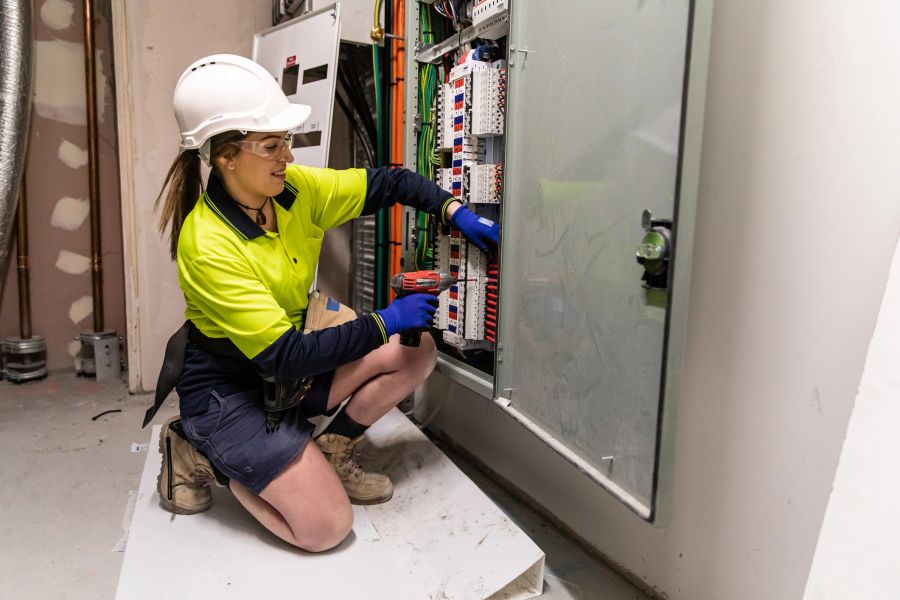
AI for Electricians in Australia: The Complete Guide (2026)
How Australian electricians are using AI in 2026 — from Tradify quoting and ServiceM8 scheduling to ChatGPT client communications and SafetyCulture safety management.
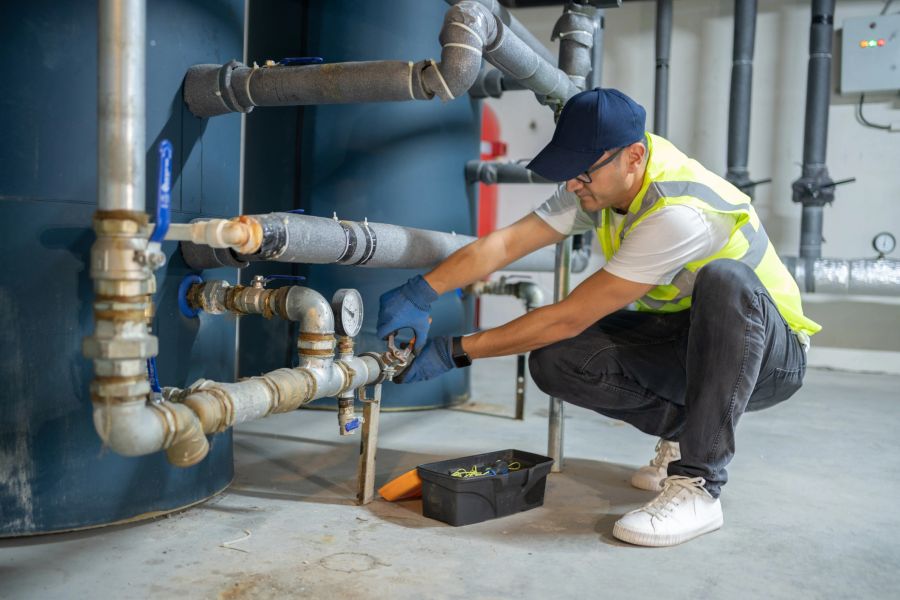
AI for Plumbers in Australia: The Complete Guide (2026)
How Australian plumbers are using AI in 2026 — from Tradify quoting and ServiceM8 scheduling to ChatGPT client communications, SafetyCulture safety management, and Xero accounting.
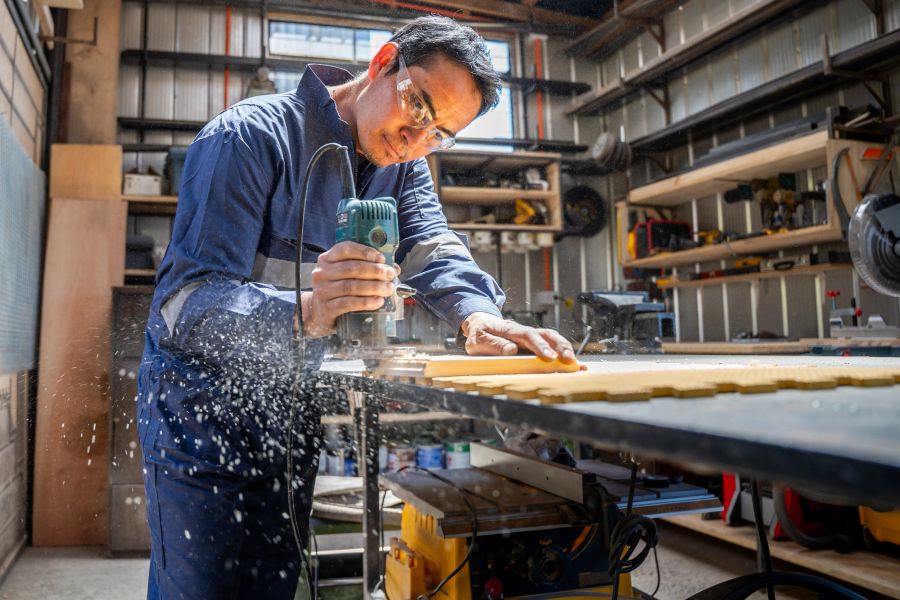
AI for Carpenters in Australia: The Complete Guide (2026)
How Australian carpenters are using AI in 2026 — from Tradify quoting and SketchUp design to ChatGPT client communications, SafetyCulture safety management, and Xero accounting.