
How Australian Musicians Are Using AI to Make Music, Collaborate and Find New Fans
Australian musicians are using Suno, Adobe AI, and other tools to produce tracks and reach new audiences. Here's how the local music industry is adapting to AI.
Australian music has always been shaped by technology — from the first electric guitars to digital audio workstations. The arrival of AI music tools is the latest chapter in that story, and for many Australian artists, it is proving to be one of the most exciting yet.
A New Creative Tool in Australian Studios
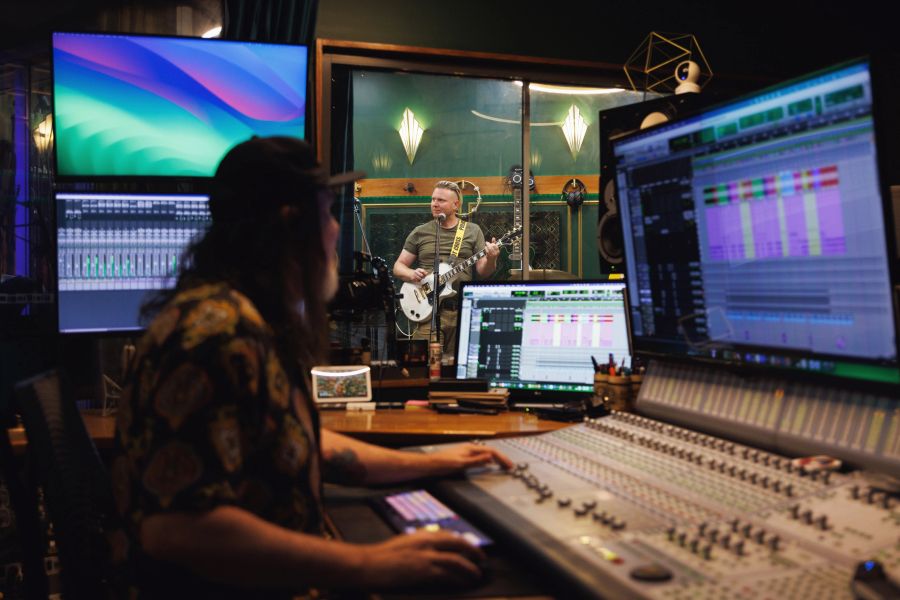
At the production end, AI tools are already embedded in how many artists work. Tools like Suno and Adobe's AI audio suite can generate professional-quality backing tracks, suggest chord progressions, and produce full instrumental arrangements from a text prompt. For independent artists without the budget for session musicians, these tools have been genuinely democratising — giving a solo artist in regional Queensland access to the same production quality as a major label act.
Many producers use AI for rough demos and reference tracks. The AI generates a starting point, and the human artist shapes it into something with genuine creative intent. Rather than replacing the creative process, AI is accelerating it — giving artists more time to focus on the parts of music-making they love most.
Independent Artists Are Thriving
Perhaps the most encouraging development is what AI tools are doing for independent Australian musicians. Artists who previously could not afford to record a full album are now producing polished, release-ready music from home studios. AI mastering tools like LANDR have made professional-quality sound accessible at a fraction of the traditional cost.
Australian independent music has always punched above its weight globally, and AI is amplifying that advantage. Artists are releasing more music, experimenting more freely, and finding international audiences through streaming platforms that reward consistent output.
Collaboration Across Distance
Australia's geography has always made musical collaboration challenging. AI tools are helping bridge that gap. Artists in Perth can collaborate with musicians in Sydney or Melbourne using AI-assisted production tools that handle the technical complexity of remote recording sessions. The result is a more connected Australian music scene, with creative partnerships forming across state lines that would have been logistically difficult a decade ago.
Copyright and Artist Rights
The arrival of AI music tools has raised important questions about copyright and the rights of artists whose work may have been used to train AI systems. The Australian Government has signalled its commitment to updating copyright frameworks to keep pace with new technology, with a focus on ensuring that artists remain in control of how their work and likeness are used.
APRA AMCOS, which represents Australian songwriters and music publishers, has been actively engaged in these discussions — advocating for frameworks that protect artists' rights while allowing the legitimate use of AI tools in creative work. The goal is a system where AI and human creativity can coexist fairly, with artists properly compensated when their work contributes to AI training.
The Industry Is Adapting
The Australian music industry — through bodies like ARIA (the Australian Recording Industry Association) and APRA AMCOS — is actively working to develop frameworks that ensure AI tools benefit artists fairly. These are constructive conversations, and the industry is approaching them with a clear-eyed sense of both the opportunities and the responsibilities involved.
A Bright Future for Australian Music
What is clear is that AI is not replacing Australian musical talent — it is giving that talent new tools to express itself. The creativity, the storytelling, the distinctly Australian voice that has produced world-class artists for decades is still entirely human. AI is simply making it easier, cheaper, and faster to share that voice with the world.
Live Performance and AI
The impact of AI on Australian music extends beyond the recording studio to live performance. AI-powered sound systems that adapt in real time to the acoustics of a venue are improving the live experience for audiences at festivals and concerts. AI tools that analyse audience response — through social media sentiment, ticket sales patterns, and streaming data — are helping promoters and artists make better decisions about touring schedules, setlists, and venue selection.
For smaller Australian artists building a touring career, AI-powered analytics tools that were previously available only to major label acts are now accessible at a fraction of the cost. Understanding which cities have the most engaged fanbase, which songs are resonating most strongly, and which support acts are most likely to appeal to a particular audience are insights that can meaningfully improve the commercial success of a tour.
Music Education and AI
Australian music education is also being touched by AI. Tools that provide real-time feedback on pitch, rhythm, and technique are supplementing traditional music tuition — giving students more practice opportunities between lessons and helping teachers identify specific areas where a student needs focused attention. For students in regional areas with limited access to specialist music teachers, AI-assisted learning tools are expanding access to quality music education in a way that was not previously possible.
Stay informed
Get AI news every Friday
The AI Digest delivers the week's most important AI stories — free, in plain English.
Subscribe free →Related Articles
More Entertainment →
How AI Is Helping Australian Filmmakers Tell Bigger Stories on Smaller Budgets
Australian filmmakers are using AI for VFX, script development, and post-production — cutting costs without cutting creativity. Here's how they make it work.

How Australian Musicians Are Using AI to Build a Sustainable Career
How AI tools are helping Australian musicians build audiences, optimise streaming, write grant applications, pursue sync licensing, and manage the business side of a music career.

AI Music Tools: What Australian Musicians Actually Need to Know
A clear-eyed look at what AI music tools can actually do for Australian musicians — from backing track generation and stem separation to the copyright questions and what AI cannot replace.